How To Crochet A Coaster? Step By Step Process, Yarn Tips, And Stitch Patterns
Crochet coasters are one of those projects that look simple until you actually start pulling yarn through loops. We have observed plenty of people learning how to crochet a coaster, and almost all of them start a little unsure but finish surprised by how approachable it is.
In this guide, we look at a process and key considerations that reward patience more than speed. A coaster is a great project to learn rhythm and tension to get a clean, practical result, so read on to learn how to crochet coasters for beginners.

Key Takeaways
- Crochet coasters are small projects that teach tension, stitch consistency, and finishing without overwhelming beginners.
- Yarn choice and stitch density matter more for coasters than decorative complexity.
- A well-made coaster balances function first, with style naturally following.
- We supply high-quality custom coasters at great prices and you can choose from a range of materials with professional results that are built to last.
Table of contents
-
How To Crochet A Coaster?
-
How To Crochet Coasters For Beginners Without Experience
-
How To Crochet A Circle Coaster The Right Way
-
How To Crochet A Cup Coaster That Fits Mugs
-
Do Crochet Coasters Work Well For Daily Use?
-
What Is The Best Yarn To Crochet Coasters Out Of?
-
What Crochet Stitch Is Best For Coasters?
-
What Is The Best Hook Size For Coasters?
-
What To Put On The Bottom Of Crochet Coasters?
-
What Size To Make Your Crochet Coasters For Everyday Use
-
Crochet Coaster Patterns You Can Try At Home
-
What Do You Need To Crochet A Coaster?
How To Crochet A Coaster?
When we explain how to crochet a coaster step-by-step, we start with the full picture. The first consideration is yarn selection, because thickness and fiber dictate everything that follows.
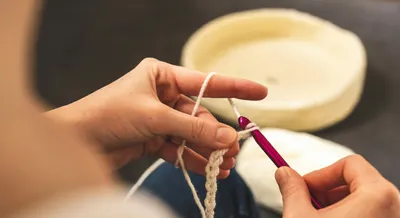
From here, you have to choose a yarn and hook that creates a firm fabric, not a loose one. Next, you work the base stitches, usually in a circle, building outward evenly. Once the coaster reaches size, the focus shifts to edges and finishing, which is where beginners tend to rush.
The full process should take less than an hour once you are comfortable, creating a protective and absorbent surface for your custom smooth bicolored coffee mugs. Difficulty stays low, but attention matters.
A beginner crochet coaster is more about consistency than complexity. Whether you make custom floral coasters, patterns, or any other design, small adjustments along the way make a noticeable difference by the time you fasten off.
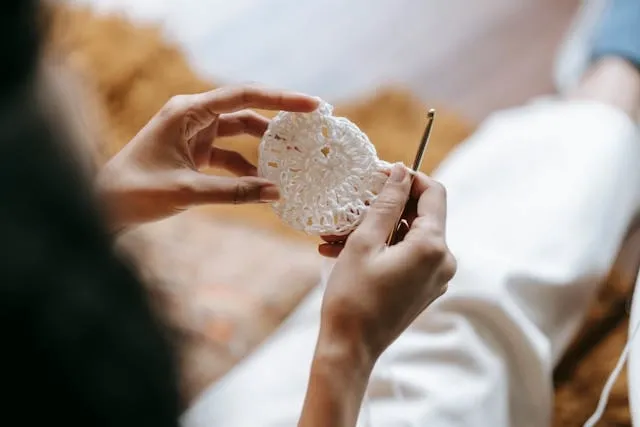
Step 1: Choosing The Yarn And Hook
You will need to pick an absorbent yarn and a hook that is right for creating tight, even stitches.
Step 2: Creating The Base
Start with a center ring or chain and gradually build outward evenly until the coaster is fully formed.
Step 3: Building The Shape
Increase stitches gradually to keep the coaster flat.
Step 4: Finishing The Edge
End with a clean edge and secure the final stitch properly. All of these steps will be covered in detail in your crochet coaster pattern.
How To Crochet Coasters For Beginners Without Experience
Absolute beginners often worry they will ruin their yarn or miss a step they cannot undo. We hear that concern all the time. Crochet coasters for beginners work well because mistakes stay small and manageable.
When learning how to make fabric coasters with crochet, you will quickly find that:
- If tension goes off, you notice quickly.
- If stitch count drifts, you are only a few rounds in.
Coasters teach muscle memory without long-term consequences. We also like that beginners can practice restarting without frustration.
Learning how to crochet a coaster for beginners builds confidence fast, because progress is visible almost immediately. You do not need perfect stitches. You need repetition. Over time, your hands learn the rhythm.
That moment when the coaster starts looking round instead of wobbly usually surprises people, in a good way.
Looking for coasters to use at a celebration?
Instead of all that hard crochet work, you can use our service to create custom party coasters in any material with a range of customization options.
How To Crochet A Circle Coaster The Right Way
Round coasters remain popular because they sit well under most cups and distribute moisture evenly. Learning how to crochet a coaster circle starts with understanding increases.
Each round needs space to grow, or the fabric curls. Too many stitches and it ripples. We aim for balance, adjusting as needed rather than following counts blindly. Symmetry comes from watching the fabric, not just the pattern.
When making crochet coasters for beginners, we encourage pausing every round to lay the work flat on the table. It sounds simple, but it prevents most shaping issues. An international study from 2020 found that there are various benefits for your well-being when you take up crochet, and this learning process is a big part of that.
A flat circle signals that stitch placement and tension are working together, which is exactly what you want.
How To Crochet A Cup Coaster That Fits Mugs
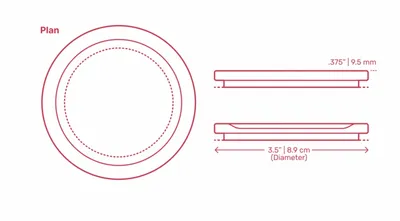
A good cup coaster is sized for real life, not just patterns. Most mugs need a coaster between four and four and a half inches wide. Anything smaller risks moisture pooling on the table.
When we explain how to crochet a cup coaster, we focus on edge stability. Soft edges feel nice, but they should not curl upward when wet. Stitch density matters here:
- Looser stitches absorb well but lose structure.
- Tighter stitches protect surfaces better.
Your pattern will usually have recommendations about stitch density, but you need to explore different patterns to find one that is likely to work for you.
Everyday usability comes down to balance. The coaster should feel sturdy when picked up, lay flat under weight, and hold moisture without soaking through immediately. Those details matter once the coaster leaves the hook and enters daily use.
Do Crochet Coasters Work Well For Daily Use?
Crochet coasters work surprisingly well when made with function in mind. We have used them daily under hot mugs, cold glasses, and everything in between. Heat protection depends on yarn choice and stitch thickness.
Let’s look at some potential properties:
- Moisture absorption improves with natural fibers and denser stitches.
- Durability comes from tight tension and secure finishing.
Generally speaking, for maximum protection on tables, it’s a good idea to use a custom rectangle tablecloth as well as a coaster for your drinks.
A well-made coaster handles regular washing and repeated use without losing shape. When you work with us, you can get custom print-on-demand coasters that perform well for everyday use. They are designed around the principles of functionality, not decoration alone, and we offer a range of materials and designs at fantastic prices.
Crochet coasters look simple but can hold up better than most people expect. Or you can choose to have coasters professionally made with our service.
Get the same absorbent performance from a customized coaster
If you like the absorbency of a crochet coaster, you can use our service to make custom absorbent coasters in a range of materials.
Learn moreWhat Is The Best Yarn To Crochet Coasters Out Of?
Yarn choice matters more for coasters than for many larger projects. Heat, moisture, and friction all show up quickly in daily use. We usually recommend natural fibers, especially cotton, because they absorb moisture without trapping heat.
When synthetic yarns are exposed to hot mugs, you will sometimes find that they:
- Soften
- Warp
This shortens a coaster’s lifespan. Durability also plays a role. A yarn that pills easily will look worn after a few weeks.
When teaching how to make crochet coasters, we encourage testing yarn by wetting it and letting it dry flat. The way it behaves tells you more than the label. Experts talk about the calm, meditative feeling of crochet, but it is essential to make the right yarn choice to avoid frustration later.
Good coaster yarn stays firm, dries evenly, and holds stitch definition without feeling stiff or brittle.
|
Yarn Type |
Absorbency |
Heat Safety |
Durability |
Verdict for Coasters |
|
100% Cotton |
High |
Excellent |
High |
Best overall |
|
Cotton Blend |
Medium |
Good |
Medium |
Acceptable |
|
Acrylic |
Low |
Poor |
Low |
Not recommended |
|
Bamboo |
High |
Good |
Medium |
Decorative use only |
What Crochet Stitch Is Best For Coasters?
Stitch choice affects both performance and appearance. Dense stitches protect surfaces better and absorb moisture more evenly. When showing how to crochet coasters for beginners, we often choose from:
- Single crochet
- Half double crochet
These stitches create a solid fabric without being difficult to manage. More open stitches look nice but allow condensation to pass through. Beginners sometimes choose decorative stitches too early, then wonder why the coaster leaks.
Function should come first. Once you understand tension and spacing, experimenting becomes easier. The best stitch is one you can repeat consistently, and one that delivers the right balance of performance and aesthetics for your needs.
Even stitches matter more than complexity, especially for a beginner crochet coaster meant for everyday use.
Looking for ways to add your personalized design to a coaster?
You don’t have to make them by hand. Work with us to create custom personalized coasters and make your mark on these durable tabletop accessories.
What Is The Best Hook Size For Coasters?
Hook size controls tension, and tension controls everything else. We usually suggest going slightly smaller than the yarn label recommends. However, it’s important not to go too small. The reasons for this choice are as follows:
- A hook that is too large creates loose fabric that fails under moisture.
- Too small, and the coaster becomes stiff and uncomfortable to use.
When you lean towards a slightly smaller hook, it creates a tighter fabric that protects surfaces better. Matching hook size to yarn is part science, part feel. Researchers have found that crochet helps increase attention with focus on motor learning, and the right needle size also helps with concentration.
When learning how to crochet a coaster for beginners, it helps to crochet a small swatch first. If it bends easily and still feels dense, you are close. Many sizing issues come from trusting labels instead of watching the fabric form in your hands.
What To Put On The Bottom Of Crochet Coasters?
Adding something to the bottom of a coaster improves grip and protects furniture. WHen considering what to put on a coaster bottom, the choices for crochet coasters include fabric, cork, and rubber. Each has its pros and cons:
- Fabric backing softens the feel but may slide.
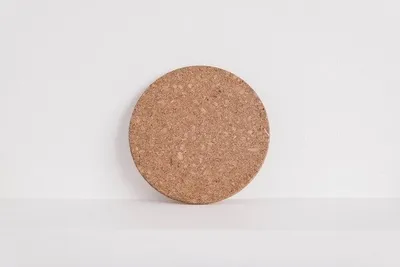
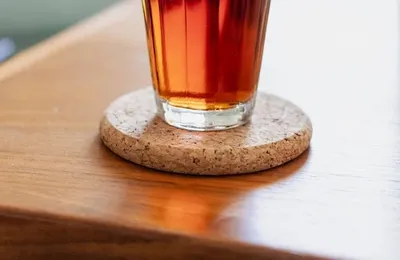
- Cork adds stability and insulation, especially on smooth surfaces.
- Rubber grips offer the most slip resistance but change the handmade look.
We decide based on how the coaster will be used. A desk coaster benefits from grip. A dining table coaster may not need it. Whatever you choose, the goal is surface protection without bulk.
When learning how to make a crochet coaster, it helps to think beyond yarn alone. The bottom matters just as much as the stitches on top.
What Size To Make Your Crochet Coasters For Everyday Use
Standard crochet coasters usually land between four and five inches in diameter. Smaller sizes struggle with condensation, while oversized coasters feel awkward under cups. We adjust size based on drink type.
Mugs and tumblers need more coverage than narrow glasses. Naturally, personal preference plays a role, but function should lead. When learning how to crochet a coaster circle, stopping at the right size matters more than hitting a specific stitch count.
Lay a mug on the work as you go. If the base sits fully within the coaster, you are in the right range. Practical testing beats measuring tape every time. Studies point to the cultural value of crochet, and this is true. But for practical crochet projects like coasters, the devil is in the details.
Get the same look and feel of crochet coasters with a professional touch
Work with us to create custom fabric coasters to get the feel of crochet designs without all that hard DIY work.
Get startedCrochet Coaster Patterns You Can Try At Home
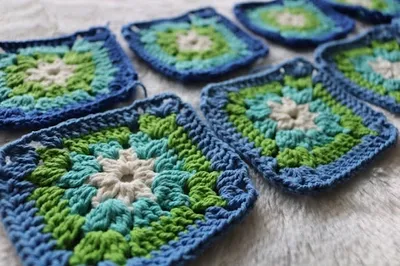
Patterns give you a sense of structure, but they should match your skill level. There are many DIY coaster design ideas even just within the category of crochet coasters, ranging from simple patterns to more complex projects:
- Simple patterns help beginners focus on tension and stitch rhythm.
- More complex patterns introduce texture and visual interest once fundamentals feel comfortable.
It can be fun to explore the full range and get an idea of the possibilities once you build your skill level.
We suggest starting with one repeatable pattern and making several coasters before switching. That repetition builds confidence quickly. Customization will come naturally after that, but those fundamentals are vital.
Changing yarn, color, or edging creates variety without learning new techniques. When exploring how to crochet coaster patterns, choose patterns that teach something small and specific. Progress comes from mastery, not constant novelty.
What Do You Need To Crochet A Coaster?
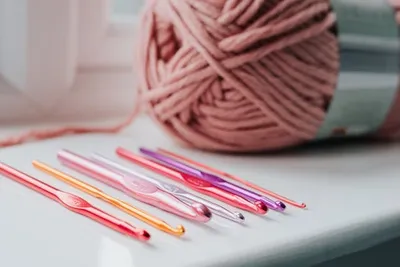
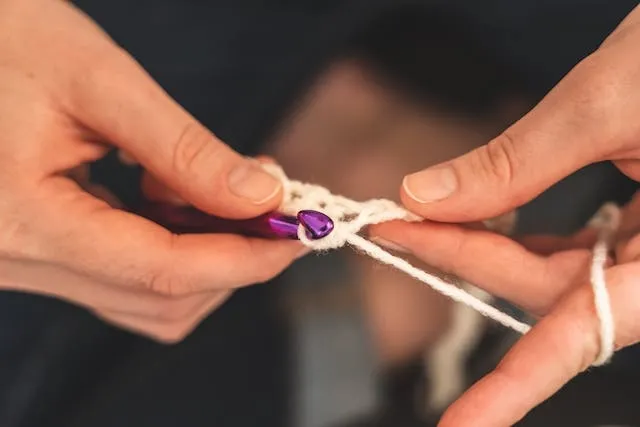
Crocheting a coaster does not require much. The basic things you need include yarn, a hook, scissors, and a way to count stitches - this covers the basics. Each item plays a crucial role in the overall process:
- The yarn determines absorption.
- The hook controls tension.
- Scissors ensure clean finishes.
- Stitch markers help beginners stay on track without frustration.
We prefer to keep setups simple when teaching how to crochet a coaster step by step. Too many tools slow learning. For some projects, we also encourage you to think about having custom coffee coasters made professionally to save on time and ensure consistent results.
For the DIY crochet process, starting small lets beginners focus on feel and rhythm. Once those develop, adding tools makes sense. Until then, simplicity supports progress better than complexity.
Frequently Asked Questions About How To Crochet A Coaster
How To Crochet A Coaster Easily At Home?
Start with cotton yarn and a simple circular pattern using single crochet. Focus on even tension and stop once the coaster fits your mug.
What Is The Best Yarn To Crochet A Coaster?
Cotton yarn works best for most coasters. It absorbs moisture well, handles heat, and holds shape after repeated use.