Cork Coaster Craft Ideas: Waterproofing, Personalising, And Upcycling
Cork coasters are often underestimated as a craft material, yet they offer an unusual balance of practicality and creative flexibility. Over the years, we have worked with cork in both professional production and casual DIY settings, and it remains one of the most forgiving surfaces.
In this guide, we focus on accessible techniques, durability considerations, and thoughtful design choices that elevate a simple cork coaster craft into something worth keeping. Read on for cork coaster craft ideas that don’t require advanced tools, artistic training, or large budgets.

Key Takeaways
- Cork coaster craft ideas are beginner-friendly, cost-effective, and adaptable to both functional and decorative applications without requiring specialized equipment.
- Waterproofing and surface finishing play a critical role in extending the lifespan and visual clarity of handmade cork coasters.
- Personalization techniques such as monograms, patterns, and texture layering significantly increase the perceived value of diy cork coaster ideas.
- We supply high-quality custom coasters in a variety of materials and formats so you can bring your vision to life at great prices without all the DIY work.
Cork Coaster Craft Ideas
Many cork coaster craft ideas are intentionally simple, which is part of their appeal. Beginner-friendly projects often rely on minimal painting, subtle line work, or leaving the cork largely natural.
We have found that small geometric accents or initials are usually more effective than complex illustrations. Adhesive backings or thin felt pads can be added quickly to improve stability without altering the design.
These approaches work especially well when uniformity matters, such as for:
- Gifts
- Weddings
- Casual events
Personalization doesn’t have to be elaborate - even a single letter or date can make a coaster feel considered. If you prefer to focus on other things rather than cutting and decorating coasters, you can work with us to create custom monogrammed cork coasters and many other designs at great prices.
This will allow you to spend your time focusing on other things rather than creating each coaster meticulously from scratch. Otherwise, read on for inspiration.
Cork Tile Coasters
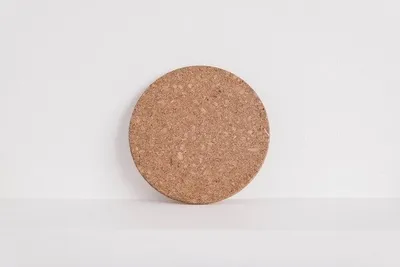
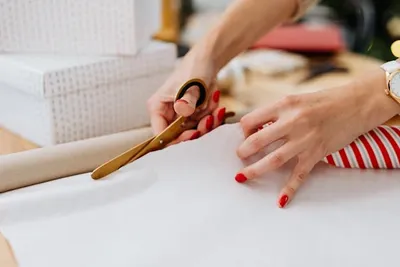
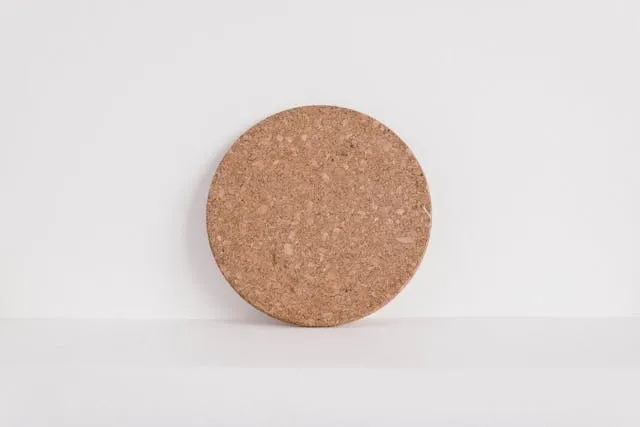
Cork tile coasters are among the most accessible entry points into cork coaster craft ideas. A cork tile or sheet, paired with a basic craft knife or scissors, is usually sufficient. Many beginners choose to add light decoration with things like:
- Permanent markers
- Paint pens
- Acrylic paint
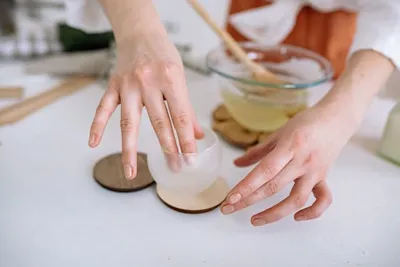
However, leaving the surface natural can be equally effective. The process is straightforward: cut uniform squares or circles, then apply simple geometric patterns, symbols, or initials if desired.
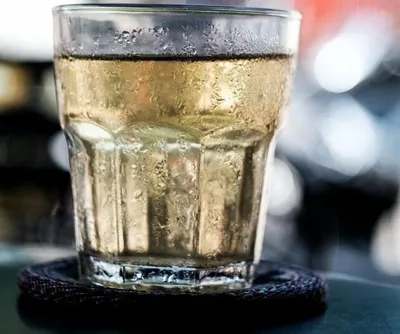
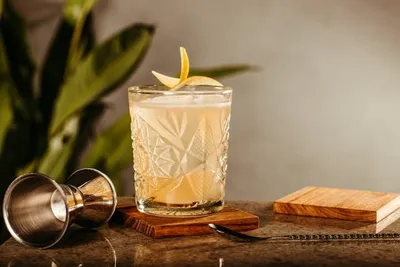
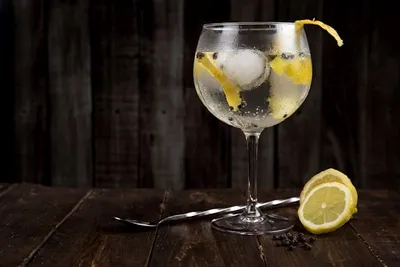
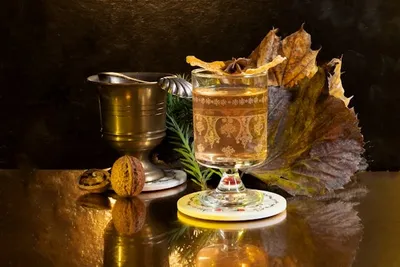
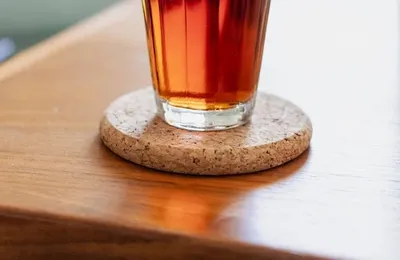
For light household use, sealing is not strictly necessary, which reduces both time and cost. What makes this approach work so well is cork’s forgiving nature. It resists heat, masks minor cutting inconsistencies, and feels substantial even when thin - the perfect base for your Gentlemen’s whiskey glass.
In our experience, cork tile projects often produce surprisingly polished results, which encourages beginners to continue experimenting with more advanced diy cork coaster ideas.
Cork Trivet Coaster
Cork trivet coasters are an excellent option when durability is a priority and time is limited. Pre-compressed cork trivets or hot mats provide a thicker, denser base than standard cork sheets, which immediately improves heat resistance and longevity.
Research into the physical properties of cork show that it is ideal for resisting liquid absorption and compressive damage, making it ideal for coasters. The supplies for this project are minimal. You will need:
- A cork trivet
- Ruler
- Craft knife
- Felt pads or cork dots for backing (optional)
The process is straightforward. Measure and score the trivet into evenly sized squares or rectangles, then cut cleanly along the lines. Light sanding can soften rough edges, though we have found this step is often unnecessary with higher-quality trivets. Adding felt or cork dots underneath prevents slipping and protects surfaces.
What makes this approach work so well is that the cork is already engineered for heat exposure, eliminating the need for layering or sealing in many cases. Among cork coaster ideas, this method offers reliable results with minimal effort.
Layered Cork Sheet Coasters
Layered cork sheet coasters are a practical solution when working with thinner materials that might otherwise feel insubstantial. Thin cork sheets are affordable and easy to cut, but on their own they lack weight and insulation.
By layering two identical shapes together, you can significantly improve performance with very little added complexity. Supplies include:
- Thin cork sheets
- Scissors or a craft knife
- PVA glue or contact adhesive
- A heavy book for pressing
Cut matching shapes, apply an even layer of glue, and press the pieces together under weight for 10 to 15 minutes while drying. We have used this technique frequently when materials were limited, and the improvement is noticeable.
Layering produces a more professional feel and better heat resistance, making these DIY cork coaster ideas suitable for everyday use without requiring advanced skills or specialized tools. And studies show cork has natural antimicrobial properties - perfect for hygiene.
|
Option |
Approx. Cost per Coaster (USD) |
Time Required |
Best For |
|
DIY (basic cork + sealant) |
$1.50–$4 |
20–30 min/coaster (plus drying time) |
Small batches, learning, low cost |
|
DIY (decorated + multiple seal coats) |
$4–$8 |
30–45 min/coaster (plus curing time) |
Gifts, personalised projects |
|
Custom / bulk-made coasters |
$3–$6 (bulk pricing) |
No personal time investment |
Weddings, events, consistent quality |
|
Retail store-bought coasters |
$6–$15+ |
No personal time |
Immediate use, no crafting |
What Are Creative & Decorative Coaster Concepts?
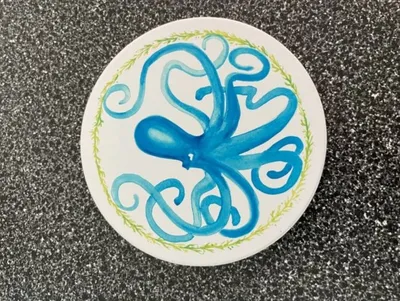
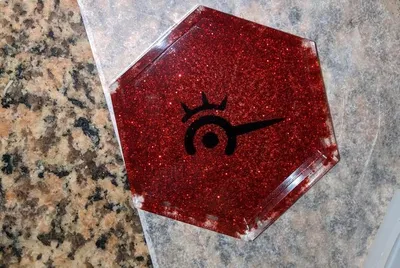
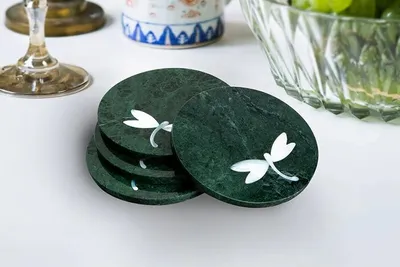
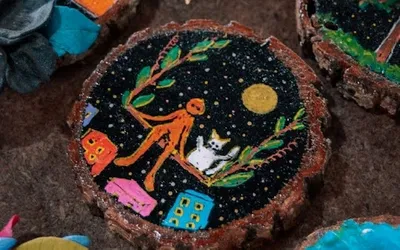
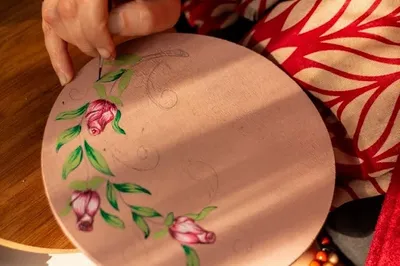
Creative coaster design moves beyond pure function and into visual storytelling. Decorative cork coaster ideas often feature repeating patterns, layered textures, or subtle contrasts that complement interior décor.
Popular ideas that elevate cork’s natural warmth without overwhelming it include:
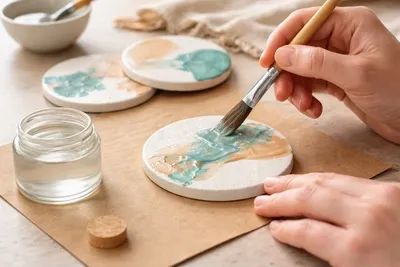
- Metallic paint accents
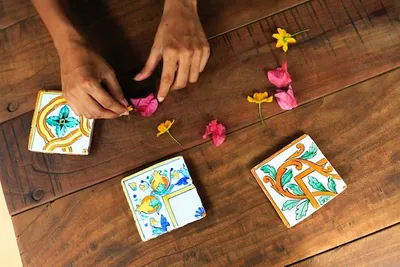
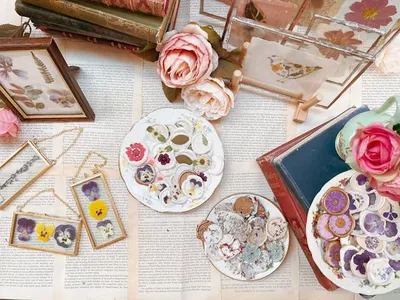
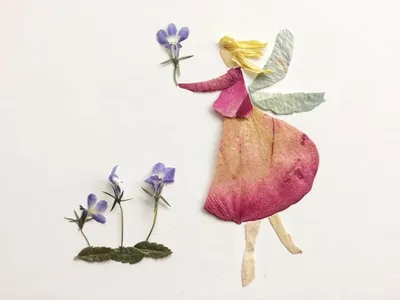
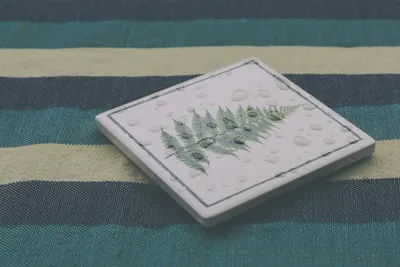
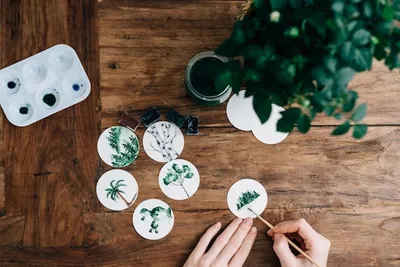
- Pressed botanicals
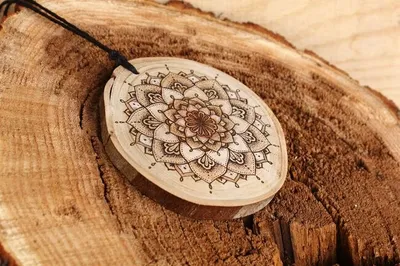
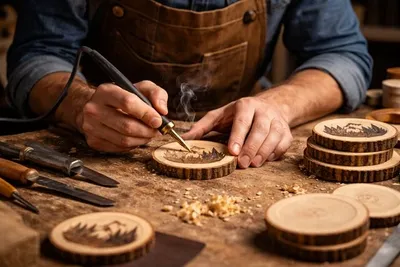
- Scorched geometric lines
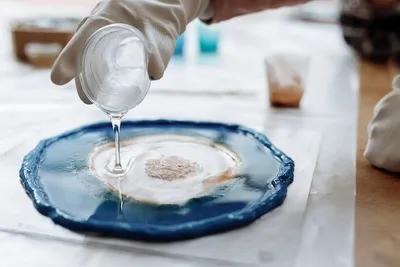
We have found that restraint matters - one strong design element usually has more impact than several competing ones. Layering materials, such as cork with thin wood veneer or resin details, can also add depth.
These concepts work especially well for themed gatherings or seasonal decor, where coasters contribute to the overall atmosphere rather than disappearing into the background. Explore DIY coaster ideas to find designs that will work for your space or event.
Thoughtful decorative choices turn DIY cork coaster ideas into conversation pieces. When done well, a coaster becomes part of the table setting, reinforcing a cohesive aesthetic rather than serving as a purely utilitarian accessory.
How Do You Make Cork Coasters Waterproof?
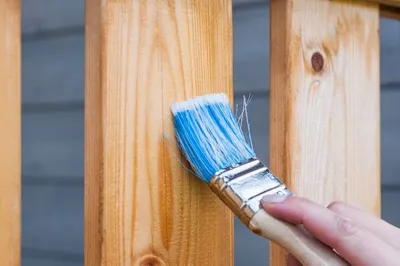
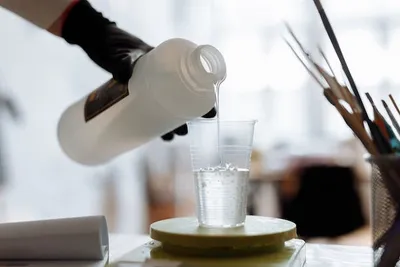
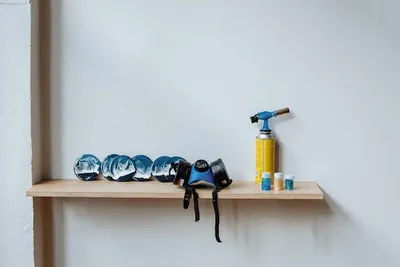
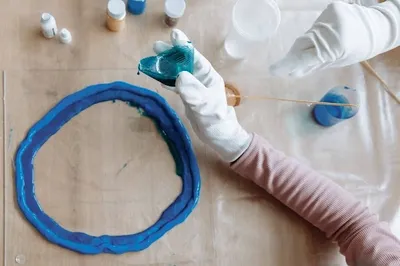
In 2026, waterproofing remains essential if cork coasters are intended for regular use. Without sealing, cork absorbs moisture, which leads to staining and warping over time. In practice, sealing strategies range from spray sealants to brush-on polyurethane or water-based varnishes.
Each option has trade-offs between things like:
- Sheen
- Durability
- Drying time
We generally recommend thin, even coats rather than one heavy application, as this preserves cork’s texture. Allowing proper drying and curing time is critical. If you rush this step, it often results in tacky surfaces, which can be problematic when you want to clean cork drink coasters.
Some finishes require several days to reach full hardness, even if they feel dry sooner. From experience, waterproofing is the difference between a decorative object and a functional household item.
Properly sealed cork coaster craft ideas withstand condensation, spills, and repeated cleaning far more effectively.
Want custom cork coasters without the DIY hassle?
Work with us to create custom cork coasters and bring your vision to life with professional craftsmanship at a great price.
How Do You Make Personalized Cork Coasters?
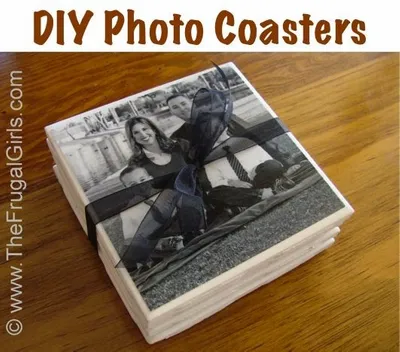
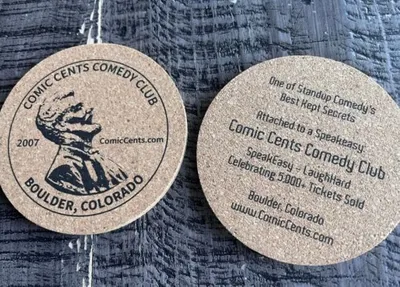
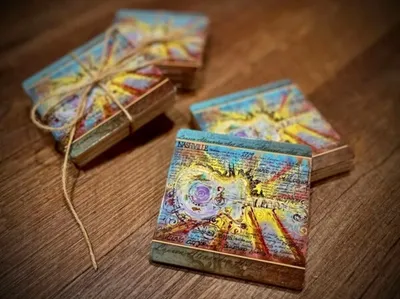
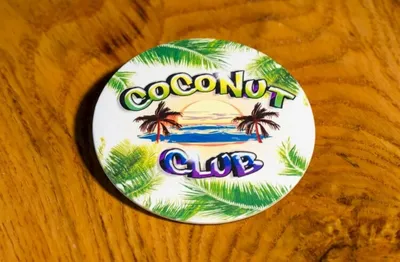
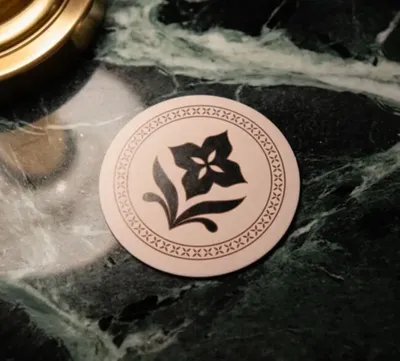
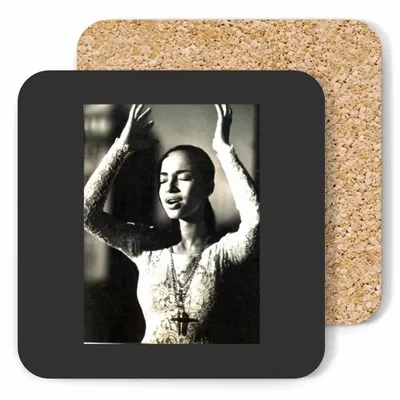
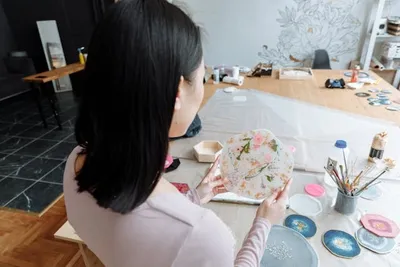
Personalized cork coasters rely on clarity and intention rather than complexity. Common design choices include monograms, names, dates, or motifs tied to hobbies or events. Many people also choose custom cork photo coasters to capture cherished memories.
The following ideas are frequently used because they produce consistent results with minimal skill:
- Stencils
- Vinyl cutouts
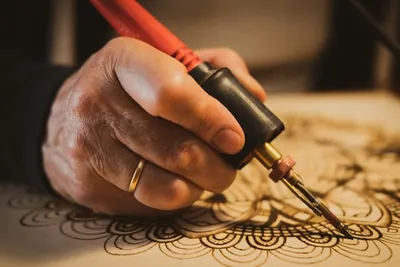
- Wood-burning tools
We have noticed that spacing and alignment matter more than decorative flair. For example, poorly centered text can undermine an otherwise thoughtful design. Personalized cork coaster ideas are especially popular for weddings, housewarmings, and corporate gifts, where subtle branding or commemorative details feel appropriate.
Color selection also plays a role. Muted tones tend to age better than bright pigments. When personalization is handled carefully, even simple DIY cork coaster ideas feel bespoke. The result is a functional item that carries meaning without sacrificing everyday usability.
Put the design you want on a coaster of your choice
Whether you choose cork or any other material, our custom print-on-demand coasters are a great way to bring your vision to life.
Learn moreHow Do You Repurpose Coasters Creatively?
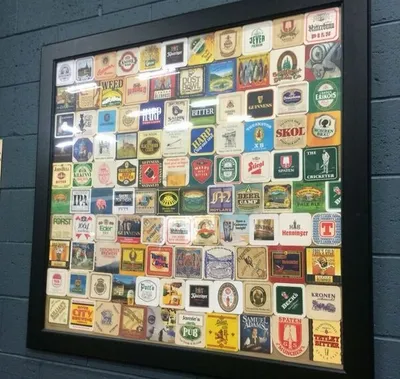
Repurposing coasters is often more sustainable than discarding them, particularly when the base material remains intact. Damaged or outdated coasters can be transformed into wall art, plant trivets, drawer liners, or even labeled storage markers.
We have reused cork coasters as backing for small framed displays, where their texture adds depth without distracting from the subject. Upcycling also encourages experimentation - mistakes feel less costly when materials are already worn.
From a practical standpoint, repurposing extends the lifecycle of cork coaster craft projects while reducing waste. It is especially useful when designs no longer match decor but the material remains serviceable. Research into cork composites suggests the material’s versatility for decorative household projects.
In our experience, viewing cork coaster ideas as modular components rather than finished products opens up far more creative possibilities over time. Explore coaster display ideas or seek inspiration to transform them into new practical items.
What Are Wine Cork Coasters And How Do You Craft Them?
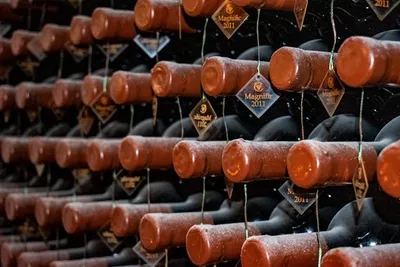
Wine cork coasters differ from cork-sheet designs in both appearance and construction. Instead of flat sheets, individual corks are sliced and arranged into patterns such as herringbone, radial, or brick layouts.
Crafting them requires trimming corks evenly, gluing them securely to a backing, and allowing sufficient drying time. Sealing is essential to unify the surface and improve durability. We have found that slight irregularities actually enhance the handmade character of wine cork coasters.
They tend to feel more rustic and tactile than smooth cork sheets. This makes them great for wine-based gift sets when paired with a suitable bottle and a carefully-designed custom flat bottle opener.
This style works particularly well for kitchens or informal entertaining spaces. While more time-intensive, wine cork coaster ideas appeal to makers who enjoy process-driven projects and want visible evidence of craftsmanship in the final result.
Looking to create custom coasters in large quantities?
Whether for a business or event, handmade coasters are not ideal for large-scale needs. We can create custom coasters in bulk with generous discounts.
What Supplies Are Essential For Crafting Cork Coasters?
A basic cork coaster craft toolkit includes cork sheets or tiles, cutting tools, adhesives, and sealing products. Each item serves a specific purpose:
- Sharp blades ensure clean edges
- Appropriate glue prevents delamination
- Sealants protect against moisture
Advanced projects may require stencils, paint pens, or wood-burning tools for detailing. From experience, investing in a reliable sealant makes a noticeable difference in longevity. Budget-conscious crafters can often source materials from hardware offcuts or recycled packaging.
Upgrading tools gradually is sensible as precision improves outcomes, but creativity matters more than equipment. Understanding why each supply is used helps makers troubleshoot issues as they arise.
Well-chosen tools allow DIY cork coaster ideas to transition from casual experiments into repeatable, reliable projects. Experts highlight cork’s sustainability, water-resistance, and insulating properties that make it a leasing material for eco-friendly product design.
What Materials Do You Need For Coaster Projects?
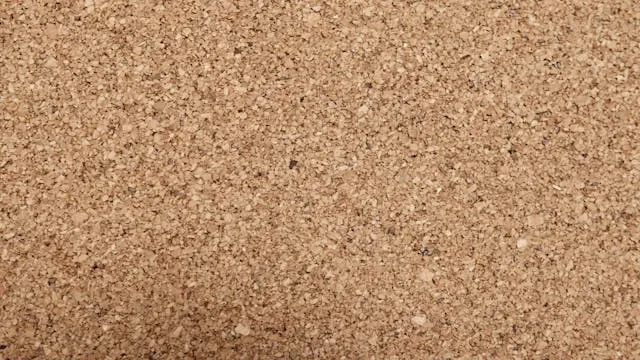
Primary materials for coaster projects include cork sheets, pre-cut rounds, adhesives, and sealants. Choosing the right thickness is important:
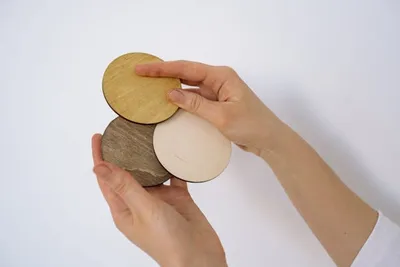
- Thinner cork suits decorative use
- Thicker pieces provide insulation and durability
Texture also matters, as finer-grain cork produces cleaner designs. Studies have explored design and innovation processes to expand cork’s applications through “eco-ideation”, emphasizing the aesthetic and functional adaptability of the material.
Specialty materials such as metallic paints, resin accents, or fabric layers can add visual interest when used sparingly. We often recommend starting with neutral materials before experimenting with embellishments.
Size consistency is another overlooked factor, particularly for sets intended for gifting. Selecting quality base materials ensures that cork coaster ideas hold up during use and cleaning.
With our service, you can produce custom cork coasters in bulk to skip the DIY work and get large quantities of personalized cork coasters with generous wholesale discounts.
Frequently Asked Questions About Cork Coaster Craft Ideas
How Can You Decorate A Cork Coaster?
Cork coasters can be decorated using paint pens, stencils, wood-burning tools, or pressed textures. Simple, centered designs typically produce the cleanest results.
What Can You Do With Cork Coasters?
Cork coasters can be used for drinks, hot dishes, décor accents, or repurposed into wall art, labels, and small organizational tools.