How To Clean Felt Coasters Effectively Without Damaging Them
Felt coasters look simple, but cleaning them can be tricky as they behave differently than hard materials. Learning how to clean felt coasters is important if you own them, and a gentle approach works better than aggressive cleaning. In this guide, we reveal how you can keep them looking fresh.

Key Takeaways
- Cleaning felt coasters requires gentle handling, with light blotting and minimal water to prevent damage or distortion.
- Dry cleaning works best for regular maintenance, while spot cleaning handles deeper stains safely.
- Proper drying and storage help maintain shape, softness, and long-term durability.
- We supply high-quality custom felt coasters and many other materials with diverse customization options and competitive pricing.
Table of contents
-
How To Clean Felt Coasters?
-
What Is The Best Way To Clean Felt Safely Using Dry And Wet Cleaning Methods?
-
How Often Should You Clean Felt Coasters For Proper Maintenance And Hygiene?
-
What Cleaning Products Are Safe To Use On Felt Coasters?
-
Can Felt Coasters Be Washed And What Happens When You Do?
-
What Is The Best Way To Remove Coffee, Wine, And Oil Stains From Felt?
-
How To Maintain Felt Coasters For Long Lasting Use And Better Hygiene?
-
How To Restore Appearance And Remove Pilling From Felt Coasters?
-
How To Dry And Reshape Felt Coasters After Cleaning?
-
How To Store And Protect Felt Coasters From Damage?
How To Clean Felt Coasters?
Felt coasters trap moisture and dirt easily, which leads to stains and odors - this is the main challenge. When we approach how to clean felt coasters, we avoid heavy scrubbing or soaking, instead opting for a gentler approach:
- Start with light cleaning - shaking off debris and using a soft cloth to blot stains early.
- For deeper marks, a small amount of water with mild soap often works, but keep to controlled amounts.
- Machine washing on a cool, gentle cycle may be necessary for some cases.
We’ve learned that too much water can cause fibers to tighten and lose shape. Timing is an important factor - clean spills early to prevent stains from settling in. A careful method keeps your coaster intact while restoring its look.
What Is The Best Way To Clean Felt Safely Using Dry And Wet Cleaning Methods?
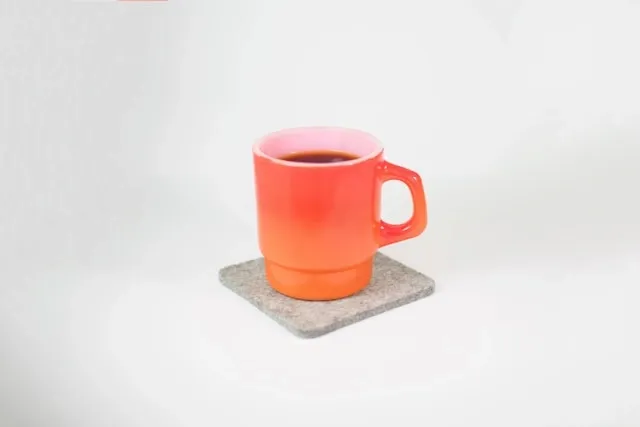
Not all stains need the same approach, but that’s a mistake that people often make. Dry cleaning works best for routine care, but it may feel like an extreme step to take for minor stains.
We use a soft brush or cloth to remove dust and loose dirt. Wet cleaning is only for spots that won’t lift easily. Even then, we use minimal moisture - a damp cloth, not a soaked one, is enough.
We’ve found that switching between these methods based on the situation gives better results. Using water too often weakens the felt over time. Keeping it simple is ideal when cleaning custom absorbent felt coasters.
|
Cleaning Method |
Best For |
Safe For Felt? |
Risk Level |
What To Use |
What To Avoid |
|
Dry Cleaning |
Dust, crumbs, lint, light surface dirt, regular maintenance |
Yes |
Low |
Soft brush, lint roller, vacuum with brush attachment, dry microfiber cloth |
Scrubbing too hard or using rough brushes |
|
Spot Cleaning |
Fresh spills, coffee stains, tea marks, wine stains, light food marks |
Yes |
Low-Medium |
Damp cloth, mild soap solution, gentle blotting |
Rubbing the stain, soaking the coaster, hot water |
|
Hand Washing |
Deeper stains, odours, heavier dirt buildup when spot cleaning is not enough |
Sometimes |
Medium |
Cool water, mild detergent, gentle pressing by hand |
Twisting, wringing, soaking for too long, strong chemicals |
|
Machine Washing |
Last resort for heavily soiled coasters only if manufacturer allows it |
Rarely |
High |
Cool gentle cycle, mesh laundry bag, mild detergent, low/no spin |
Hot wash, heavy spin, tumble drying, washing with rough fabrics |
Looking to create custom coasters for tea drinking?
Felt can work well, but our range of custom tea coasters shows just how versatile this type of coaster is.
How Often Should You Clean Felt Coasters For Proper Maintenance And Hygiene?
Felt coasters don’t need constant washing, but they do need attention. We usually clean them lightly every week or two, depending on use. Visible stains or odors are clear signs it’s time, and waiting too long makes cleaning harder.
From experience, regular light care is the best way to prevent deeper buildup. It also keeps the material in better condition. Dry washing reduces piling, but it can be frustrating when stains are difficult to remove.
Cleaning too often with water can do more harm than good, so balance matters. Watching how they’re used helps guide the right schedule.
What Cleaning Products Are Safe To Use On Felt Coasters?
Choosing the wrong product can damage felt quickly. Gentle soap or diluted detergent are always preferable to harsh chemicals to protect the fibers of the material.
- Harsh chemicals strip fibers and leave marks.
- We stick to mild options when cleaning.
Use gentle soap or dilute some detergent for best results. Even then, we recommend that you use it sparingly. From what we’ve seen, less product usually gives better results.
Strong cleaners may seem effective, but they often cause more damage over time. If you are considering learning how to make DIY fabric coasters, make sure you factor ongoing cleaning and maintenance into it. Keeping products simple and mild protects the material.
Which Soaps And Solutions Work Best For Cleaning Felt Coasters Safely?
Mild detergents and natural solutions tend to work best. This means things like gentle soaps, diluted detergents, or white vinegar to remove stains and odors.
Strong mixtures can leave residue or stiffen the felt, so the key is dilution:
- We often mix a small amount of gentle soap with water.
- We’ve also used simple solutions like diluted vinegar for odor control, though only in small amounts.
Testing a small area first helps avoid surprises. It can be useful to take a leaf out of the book on conservation and restoration of antique textiles for tips on being gentle and careful. Simple, controlled solutions clean effectively without harming the fibers.
Choose professional craftsmanship for a refined touch
Use our service to create custom drink coasters from felt or many other materials to get the look and performance you need.
Learn moreCan Felt Coasters Be Washed And What Happens When You Do?
Washing felt coasters is possible, but it comes with risks. Things like water exposure, heat, and strong detergents can damage felt fibers, so we recommend you take extreme caution with this.
Here are the things to be aware of:
- Water can cause shrinking or distortion if not handled carefully.
- Heat exposure can make the fibers contort and change shape.
- Certain chemicals can weaken fibers and lead to damage.
We’ve seen coasters lose shape after full washing, so we avoid soaking them. Spot cleaning works better in most cases. When washing is necessary, it should be done gently and quickly.
Work with us to create custom felt coasters that are resilient and don’t stain easily. With our service, you can create bespoke designs and take advantage of durable construction and competitive pricing with generous wholesale discounts.
Is Hand Washing Better Than Machine Washing For Felt Coasters?
Machine washing may seem convenient, but it often causes damage. This is why it is rarely recommended for cleaning felt and should only be done as a last resort if all else has failed.
The movement and heat can distort felt quickly, contorting the fibers and pulling them in all directions. We always lean toward hand washing when needed, as it gives greater control over:
- Pressure
- Moisture
Using a gentle touch reduces the chance of shrinking or warping. A lint roller, soft brush, vacuum, and chemical spot remover are generally recommended. From experience, this approach keeps coasters usable longer - machine washing is rarely worth the risk.
How To Remove Stains From Felt Coasters Without Ruining The Fabric?
Stains can set quickly in felt as the fibers absorb moisture and coloring makes a permanent mark. For this reason, timing is important - you must act quickly with the right actions to remove the stain.
Here’s a basic approach to take:
- We start by blotting the area instead of rubbing it. Rubbing spreads the stain and damages fibers.
- A damp cloth with a mild solution helps lift the mark. We apply it gently, then blot again to remove excess moisture.
- If you had to wet the coaster, let it air dry naturally to help protect the fibers. Heat could make the stain set even deeper.
When you act early, it makes a big difference. From what we’ve seen, most stains come out easier when handled right away. Worries about staining felt coasters lead some to choose custom rectangle table covers to protect surfaces as they are easy to machine wash.
What Is The Best Way To Remove Coffee, Wine, And Oil Stains From Felt?
Different stains need slightly different approaches. There is no one-size-fits-all answer to dealing with stains on felt coasters. Coffee, wine, and oily spills all require a different approach:
- Coffee responds well to light blotting with a mild solution.
- Wine should be cleaned with a similar approach.
- Oil stains are trickier. We often apply a small amount of absorbent material, like baking soda, before cleaning. This helps pull out the oil, then gentle blotting finishes the job.
We’ve found that patience works better than force here. Quick, careful action gives the best results. When sewing coasters, think about how easy it is to clean the fabric. Felt is cost-effective but challenging to clean, so consider that before crafting.
Is the fabric style appealing for your coaster designs?
We can create custom fabric coasters from felt or other materials so that you can get the soft, absorbent material you want.
How To Maintain Felt Coasters For Long Lasting Use And Better Hygiene?
Maintenance is about small habits. Keep on top of minor dirt build-ups, try to avoid bad spills, and react quickly when those spills do occur. Here are some tips to help you maintain your felt coasters:
- Regular dusting keeps dirt from building up.
- We avoid letting spills sit too long.
- Consider periodic dry cleaning for long-term maintenance.
From experience, simple routines extend the life of felt coasters. Storing them properly also helps - keeping them dry and clean reduces wear. Experts will recommend that you use water only occasionally for cleaning felt, and keep it away from heat sources at all times.
How To Restore Appearance And Remove Pilling From Felt Coasters?
Care is important here, as cutting too deep can damage the material. Be mindful of this when choosing to create DIY fabric coaster designs - you need to understand the best maintenance techniques.
We’ve found that light, careful trimming works best for pilling. It restores the surface without affecting structure.
What Are Methods For Pilling Prevention And Removal?
Preventing pilling starts with reducing friction. When felt coasters rub against abrasive surfaces or other coasters, or are exposed to rough handling or washing, it can cause pilling to occur.
Here are some tips to prevent and remove pilling effectively:
- We avoid stacking coasters roughly or storing them in tight spaces where abrasion could occur.
- Gentle handling helps maintain the surface, and avoid washing in water wherever possible.
- Regular inspection also catches early signs of wear so that you can deal with it before it gets worse.
From what we’ve seen, small adjustments in use prevent larger issues later. Consistent care keeps them looking better for longer.
Choose a water-resistant alternative to felt for different needs
We can create custom bamboo coasters or pieces from various other materials to give you a waterproof solution to protect surfaces with style.
Get startedHow To Dry And Reshape Felt Coasters After Cleaning?
Drying is just as important as cleaning. Whether coasters get wet after a spill from your custom 16 oz Beer Craft pint glass or from washing with water, you may be tempted to put them on a radiator or even in the dryer. This would be a mistake.
Here are some tips for drying and reshaping your felt coasters before warping sets in:
- We press out excess moisture gently, then reshape the coaster while it’s still damp.
- Leaving it flat to air dry helps maintain its form.
- Keeping away from excess moisture or heat will ensure the fibers don’t distort.
We’ve noticed that reshaping early prevents permanent distortion. Patience during drying leads to better results.
Why Should Felt Coasters Be Air Dried?
Though it is very convenient for fast drying of many fabrics, heat can damage felt quickly. When exposed to higher temperatures, the fibers in felt can shrink and constrict, altering the shape and feel of your coaster until it is unrecognizable.
Dryers or direct heat cause this shrinking and stiffness. If you are having difficulty removing a stain, avoid water and heat - opt for professional dry cleaning instead. We always air dry felt coasters to keep the fibers soft and flexible.
From experience, air drying protects the coaster’s structure. It may take longer, but it is worth the wait to prevent damage.
How To Store And Protect Felt Coasters From Damage?
Storage affects longevity more than people expect. If you store them in direct sunlight, close to heat sources, or in humid locations, it can cause problems with things like warping or even mildew.
Here are some tips to store and protect your felt coasters properly:
- Always keep your coasters in a dry, cool place.
- Avoid moisture and heat to help maintain quality.
- Stack them gently and neatly to reduce wear.
From what we’ve seen, proper storage keeps them usable for much longer. This goes for many types of custom absorbent coasters and we offer a wide range of them with professional customization at competitive prices.
Frequently Asked Questions About How To Clean Felt Coasters
What Is The Proper Way To Clean Felt Coasters?
Use gentle blotting with a damp cloth and mild soap, avoiding excess water and harsh scrubbing.
How Do Dry And Wet Cleaning Methods Work For Cleaning Felt Safely?
Dry cleaning removes surface dirt, while wet cleaning targets stains using minimal moisture and careful handling.