Best Finish For Coasters To Prevent Water Rings And Damage
Coasters seem simple until they stain, and this usually comes down to the finish. When we talk about the best finish for coasters, it’s all about protection that holds up. In this guide, we explore the difference between a finish that lasts months or years and one that fails.

Key Takeaways
- The best finish for coasters creates a durable barrier that resists moisture, heat, and daily wear without breaking down over time.
- Multiple thin layers outperform a single heavy coat, especially when working with porous materials like wood.
- Choosing the right finish depends on use, with epoxy and polyurethane offering the strongest long-term protection.
- We supply high-quality custom coasters with premium finishes to protect your bespoke designs and offer a practical solution for your tabletops.
Table of contents
-
Best Finish For Coasters
-
Best Finish For Wood Drink Coasters
-
What Should You Seal Coasters With?
-
What Is The Best Varnish For Coasters?
-
What Is The Best Clear Coat For Wood That Will Not Yellow?
-
How To Coat Coasters With Epoxy Resin?
-
Oil Finishes Vs Film Finishes For Wooden Coasters
-
Finishes To Avoid For Drink Coasters
-
What Are The Most Durable Finishes For Coasters?
Best Finish For Coasters
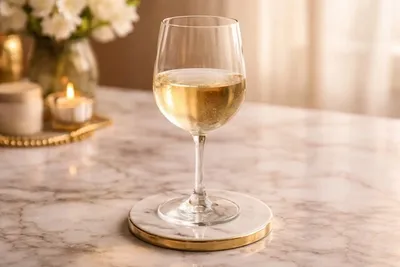
A finish is more than just a final touch. It is the working layer that takes the impact instead of the material underneath. Coasters need that layer because they deal with condensation, heat, and repeated use.
When we evaluate the best finish for coasters, we look at things like:
- How well it resists water
- How long it holds up
- How easy it is to clean
Clarity matters too, especially for decorative surfaces. Options like polyurethane, epoxy resin, varnish, lacquer, and even natural oils all behave differently. The right choice protects the surface from swelling, staining, and gradual wear that builds over time.
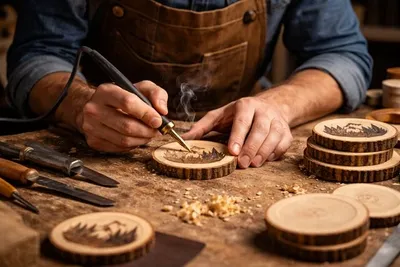
What Is The Best Finish For Homemade Coasters?
Homemade coasters usually start with materials that are not prepared for moisture. Raw wood, tile, or composite surfaces all need reinforcement before they can handle daily use. We have seen DIY projects that look great initially but begin to degrade within weeks because the finish was too light.
Here are some suggested finishes:
- Polyurethane and epoxy resin tend to perform well here, especially when applied in layers.
- Varnish can also work, though it may require more maintenance over time.
- For beginners, brush-on or spray finishes are easier to control.
What matters most is consistency. A careful, layered approach almost always leads to better results than rushing through it to make your custom personalized family coasters work well.
|
Use Case |
Best Finish |
Why It Works |
Drawbacks |
Waterproof Level |
Finish Look |
|
Everyday wood coasters (hot + cold drinks) |
Water-based polyurethane |
Strong water resistance, fast drying, low yellowing, easy to apply |
Slightly less durable than epoxy |
★★★★☆ |
Clear, satin–gloss |
|
Maximum waterproof protection (heavy use, condensation) |
Epoxy resin |
Creates a fully sealed, waterproof barrier; highly durable |
More difficult to apply, prone to bubbles if mishandled |
★★★★★ |
High-gloss, glass-like |
|
Humid environments (kitchens, garden rooms, bars) |
Spar (marine) varnish |
Flexible finish designed to handle moisture and temperature changes |
Longer drying time, slight amber tint |
★★★★★ |
Satin–gloss, slightly warm tone |
|
Premium gift or decorative coasters |
Epoxy resin |
Provides a polished, professional, high-end appearance |
Requires careful leveling and curing |
★★★★★ |
Ultra-gloss |
|
Natural wood look (light use) |
Danish oil / linseed oil |
Enhances grain and gives a natural feel |
Poor water resistance, requires maintenance |
★★☆☆☆ |
Matte to low sheen |
|
Quick DIY project (low effort, fast turnaround) |
Spray polyurethane |
Easy application, even coats, quick drying |
Less control, may need multiple coats |
★★★★☆ |
Satin–gloss |
|
Budget craft coasters (temporary use) |
Acrylic sealer / Mod Podge |
Cheap, easy to apply, widely available |
Weak water and heat resistance |
★★☆☆☆ |
Matte–gloss |
|
Outdoor or patio coasters |
Spar varnish or exterior polyurethane |
Designed for UV and moisture exposure |
Needs periodic reapplication |
★★★★★ |
Satin–gloss |
|
Light-coloured wood (avoid yellowing) |
Water-based polyurethane |
Dries clear without amber tint |
Slightly less depth than oil-based finishes |
★★★★☆ |
Clear |
|
Dark wood (enhanced depth and richness) |
Oil-based polyurethane |
Adds warmth and depth to darker woods |
Yellows over time, slower drying |
★★★★☆ |
Warm gloss |
Best Finish For Wood Drink Coasters
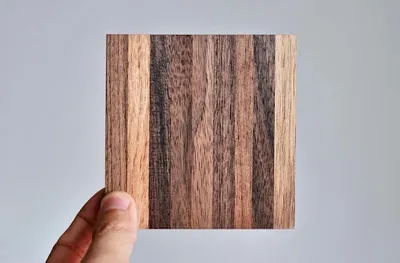
Wood adds warmth, but it also introduces risk. It absorbs moisture quickly, which makes finishing essential rather than optional. The best finish for coasters made from wood is typically one that forms a protective film over the surface.
Polyurethane and varnish are common choices because they create that barrier effectively. Some prefer a more natural appearance, which can make the decision slightly more complicated. We have worked with both approaches, and there is always a tradeoff:
- Stronger finishes offer better protection.
- Lighter ones preserve texture.
In practice, most people lean toward durability once they see how often coasters are actually used. A study from 2001 supports using finishes that balance visual appeal with protection when working with wood.
Looking to create your own coaster designs?
Work with us to create custom personalized coasters in a range of materials with the optimal finish for long-term durability.
What Should You Seal Coasters With?
Sealing and finishing are often treated as the same step, though they serve slightly different purposes. Sealing focuses on blocking moisture from entering the material, while finishing adds durability and surface protection.
We usually think of sealing as the foundation. Products that can play a role here include:
- Polyurethane
- Resin
- Varnish
- Certain craft sealers
One detail that gets overlooked is coverage. It is not enough to seal just the top surface to make coasters waterproof - edges and undersides matter too, especially with wood. Moisture finds weak points quickly so a fully sealed coaster behaves differently, holding up better over time without subtle warping or staining.
How To Waterproof DIY Coasters?
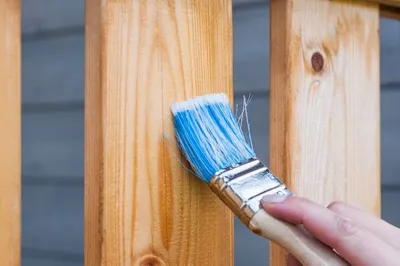
Waterproofing requires a bit more intention than basic sealing. The process starts with sanding to create a smooth, receptive surface. From there, we apply a sealant to close off the material, followed by protective coats that build a barrier.
- Epoxy resin is one of the most reliable options for full waterproofing.
- Polyurethane can also perform well when layered properly.
Air bubbles and uneven coats are common issues, especially for beginners. We usually slow things down at this stage, working in thin layers and allowing proper drying time. Research from 2015 highlights the trade-off between visual appeal vs long-term performance - you have to find the balance.
What Is The Best Varnish For Coasters?
Varnish has been used for years to protect wood, and it still holds its place for certain applications. It forms a durable coating that resists moisture better than many lighter finishes.
When choosing a varnish for coasters, we tend to look for formulations designed for higher exposure, rather than decorative use. Varnishes that often perform better in this context include:
- Marine varnish
- Exterior varnishes
They are built to handle moisture and temperature changes more effectively. This should be sufficient for your custom 16 oz beer craft pint glass and similar drinkware.
Keep in mind that varnish may not reach the same level of waterproofing as resin. It sits somewhere in the middle, offering solid protection without the thickness or gloss of heavier coatings.
Why Does Spar Varnish Work Well For Drink Coasters?
Spar varnish has an interesting background. It was originally developed for marine use, which means it is built to handle moisture, movement, and changing conditions. That makes it a strong candidate for coasters.
We have used it in settings where humidity fluctuates, and it tends to hold up better than standard varnish. One reason is its flexibility - instead of becoming brittle, it adapts slightly, which helps prevent cracking over time.
For coasters that see frequent use, that resilience is crucial. Research has shown that coasters must resist liquid exposure, and Spar varnish performs in a way that more rigid finishes cannot.
Create your own custom coasters in large quantities
Use our service to create custom coasters in bulk and enjoy the highest quality finishes with generous wholesale discounts.
Learn moreWhat Is The Best Clear Coat For Wood That Will Not Yellow?
Color shift is one of those details people notice too late. Some finishes, particularly oil-based ones, develop a yellow tint over time. On darker woods, that may not matter much, but on lighter surfaces, it changes the entire look.
We usually turn to water-based clear coats when maintaining a natural appearance is important. They dry clear and stay that way longer. Common choices for this include:
- Acrylic polyurethane
- Water-based polyurethane
These may not always match the depth of oil-based finishes, but they preserve the original tone more accurately. Alternatively, work with us to create custom wood coasters that bring your vision to life with the optimal finish at a great price, with bulk discounts available.
Water Based Vs Oil Based Polyurethane For Coasters
Polyurethane is often where people land when they want something reliable, but the choice between water-based and oil-based versions changes the outcome more than expected.
- Water-based polyurethane dries quickly and stays clear, which helps when working with lighter woods or detailed designs.
- Oil-based options take longer to cure and bring a warmer tone that deepens the color.
We have used both in different settings, and the decision usually comes down to priorities. If time and clarity matter, water-based works well. If durability and a slightly richer finish are more important, oil-based tends to hold up better under repeated exposure.
A study from 2024 demonstrates how varnish can be a practical finish for everyday wood coaster use - your choice should come down to the coaster material.
Interested in creating unique drink coasters?
With our help, you can create custom drink coasters with the right finish for your chosen material and enjoy maximum quality throughout.
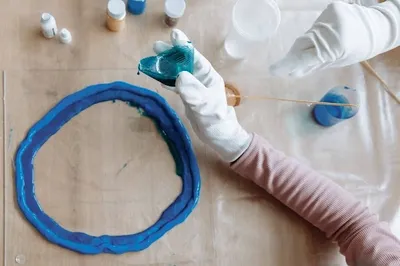
How To Coat Coasters With Epoxy Resin?
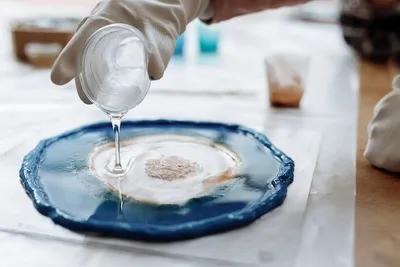
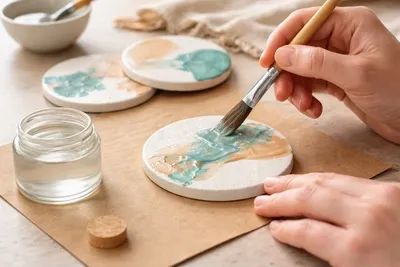
Epoxy resin has a reputation for being a bit unforgiving, and that is not entirely wrong. It requires precision, but once you understand the rhythm, it becomes manageable. Here’s how to use it:
- We start with a clean, level surface, since resin will settle exactly where it is poured.
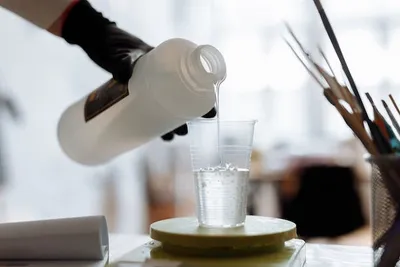
- The two-part mixture needs to be combined carefully to avoid soft spots later.
- Once applied, it spreads slowly, forming a thick layer that levels itself out.
- Air bubbles are common, though a gentle pass with heat helps release them.
- The curing stage takes patience. It may look finished early, but full hardness develops over time with consistent conditions.
Epoxy is great for how to seal diamond art coasters and many other types, but it does take care and patience.
Why Is Epoxy Resin Considered The Best Overall Protection?
There is a reason epoxy keeps coming up in conversations about the best finish for coasters. It forms a dense, glass-like layer that does not just resist moisture, it blocks it entirely.
We have tested coasters finished with resin under regular use, and we have found the following benefits:
- They tend to maintain their surface far longer than lighter coatings.
- Resin handles heat and staining well, which matters more than people expect when drinks vary throughout the day.
- It enhances what sits beneath it - designs appear sharper, colors feel deeper, and embedded elements stay protected without losing visibility.
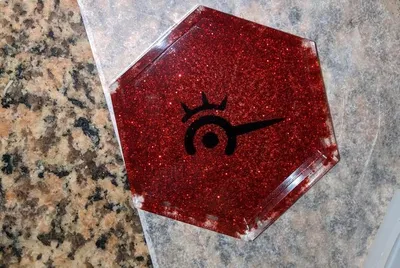
In a 2013 study, Zhou found that epoxy coatings provide much higher water resistance than traditional varnishes - the results speak for themselves.
Oil Finishes Vs Film Finishes For Wooden Coasters
Finishes fall into two broad categories, and understanding the difference helps avoid common mistakes. Oil finishes soak into the wood, enhancing its texture and natural appearance. They feel subtle, almost unfinished, which some people prefer.
Film finishes behave differently. They sit on top of the surface and create a protective layer that takes the wear instead. We have used both depending on the goal, though coasters tend to benefit more from film finishes.
- Oil finishes require more upkeep and offer limited protection against moisture.
- Film finishes last longer and hold up better under the constant exposure that coasters deal with.
Mod Podge is a simple option, but there are many potential Mod Podge sealing mistakes and it doesn’t always produce the most durable seal.
Choose our service to create optimized custom coasters
Whether it’s the material, the manufacturing, or the finish, we never cut corners on our custom print-on-demand coasters. Choose use for quality.
Get startedFinishes To Avoid For Drink Coasters
Some finishes simply are not built for repeated contact with moisture, even if they look appealing at first. Light oils and waxes fall into this category. They may enhance the surface temporarily, but they do not create a strong barrier.
We have seen coasters treated this way develop stains and subtle swelling after only a short period of use. The issue is not always obvious right away, which makes it easy to overlook. Over time, though, the lack of protection becomes clear.
Choosing the best finish for coasters often means avoiding options that prioritize appearance without offering real durability underneath. Even if it looks great with your custom round table covers, a coaster with this finish will not offer good protection.
Why Danish Oil And Linseed Oil Are Not Ideal For Coasters
Danish oil and linseed oil tend to be popular because they are easy to apply and bring out the natural grain of wood. That said, they work differently than most people expect. Instead of forming a protective layer, they penetrate the surface and leave it exposed to moisture.
We have used them for decorative pieces where appearance matters more than function, and they perform well in that context. For coasters, though, there are problems:
- Water rings can still form
- Repeated exposure leads to gradual wear
They are better suited to low-contact items rather than surfaces that deal with condensation daily.
What Are The Most Durable Finishes For Coasters?
Durability tends to narrow the field fairly quickly. Epoxy resin and polyurethane consistently come out ahead because they create a solid barrier that resists water and wear.
Spar varnish also performs well, especially in environments where humidity fluctuates. Each option has its place, but they all share one characteristic: they protect the surface rather than relying on the material itself to hold up.
We have worked with a range of finishes over time, and the difference becomes obvious with use. The best finish for coasters is usually the one that continues to perform long after the initial application has settled.
The alternative is to get custom disposable coasters and just replace them.
Frequently Asked Questions About Best Finish For Coasters
What Is The Best Finish For Coasters For Long Lasting Protection?
Epoxy resin is often the most durable choice, creating a waterproof barrier that resists heat, moisture, and staining over time.
What Is The Best Finish For Wood Drink Coasters?
Polyurethane or epoxy resin tends to work best, since both protect wood from absorbing moisture while maintaining a consistent surface.