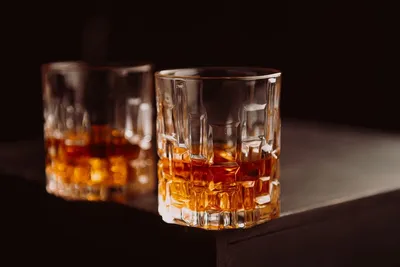
Coaster Design Ideas That Are Easy, Creative, And Practical
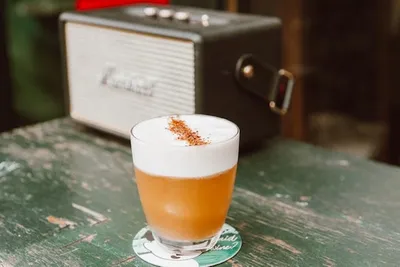
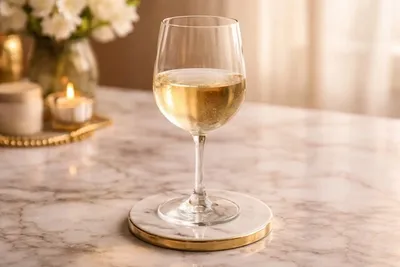
We tend to overlook coasters until a table gets marked or a guest starts scanning the room for somewhere to put a drink. That is usually when design suddenly matters, and good coaster design ideas sit somewhere between practical and personal.
In this guide, we walk through easy coaster designs, more creative directions, and when it makes sense to move beyond makeshift coaster solutions into something that actually lasts.

Key Takeaways
- The best coaster design ideas balance function and style, protecting surfaces while still fitting naturally into the space and overall aesthetic of a room.
- Simple coaster designs often work better than complex ones, especially for everyday use, as they are easier to create, maintain, and match with different interiors.
- DIY coaster designs offer flexibility and personality, but durability depends heavily on materials, sealing, and how well the design is applied and finished.
- We supply high-quality custom coasters with professional craftsmanship to enable you to bring your vision to life flawlessly, with bulk options available.
Table of contents
-
Coaster Design Ideas
-
What Are Simple And Easy Coaster Designs?
-
What Is A DIY Coaster Set And Why Make One?
-
What Are DIY Drink Coasters Made From?
-
How Do You Put Designs On Coasters?
-
What Is Easy Coaster Painting for DIY Projects?
-
How Do You Use Mod Podge For DIY Coaster Designs?
-
Does Canva Help You Design Custom Coasters?
-
Do People Prefer Round Or Square Coasters?
-
How Do You Seal Homemade Coasters?
-
What Are the Best Tips for Long-Lasting DIY Coasters?
-
What Is A Makeshift Coaster And When Is It Useful?
Coaster Design Ideas
When we talk about coaster design ideas, we are really talking about intent. Some people want something decorative, others just want to stop rings forming on a table they care about. Most land somewhere in between.
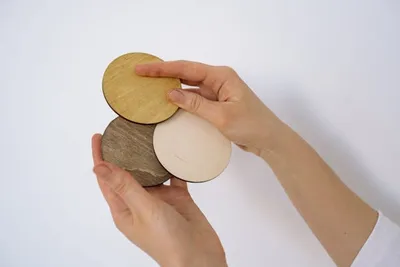
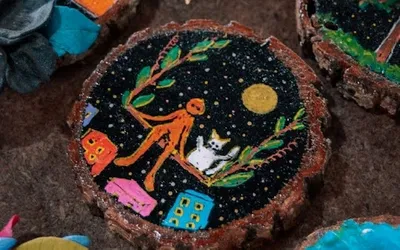
We have seen coaster DIY design projects that lean heavily into creativity but fall short on function, and the reverse is just as common. A good starting point is to decide how your custom wood coasters will be used day-to-day - from there, options open up.
You might explore things like:
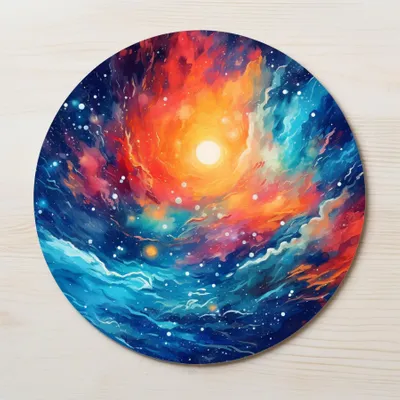
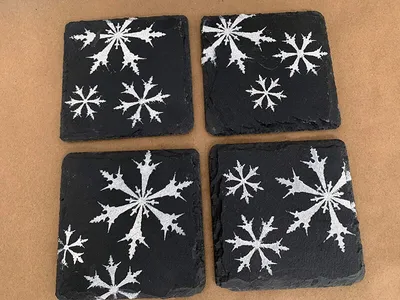
- Painted finishes
- Printed graphics
- Simple coaster designs that rely on texture instead of color
Each approach changes how the coaster feels and performs over time.
What Are Simple And Easy Coaster Designs?
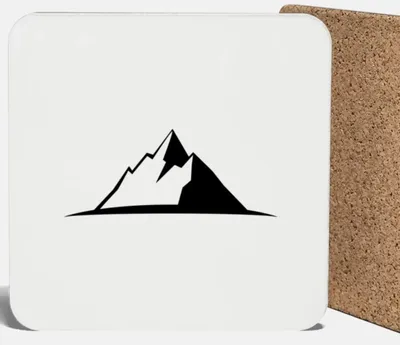
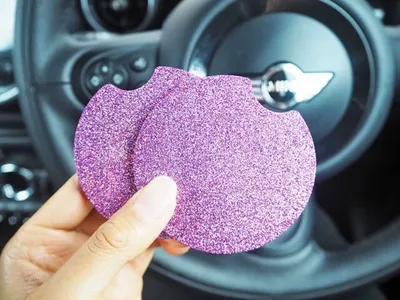
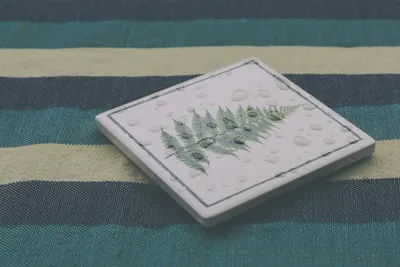
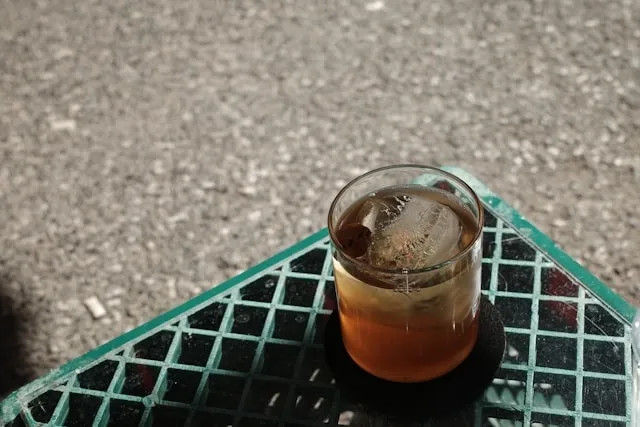
Simple coaster designs tend to work because they do not try too hard. A clean circle, a muted colour, maybe a subtle line or pattern - that is often enough. We have found that easy coaster designs are usually the ones people reach for every day without thinking.
Here are a couple of ideas for you:
- Limiting colours helps, especially if the goal is to match existing decor without clashing.
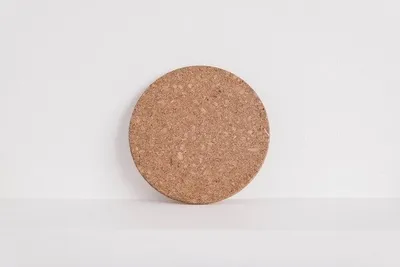
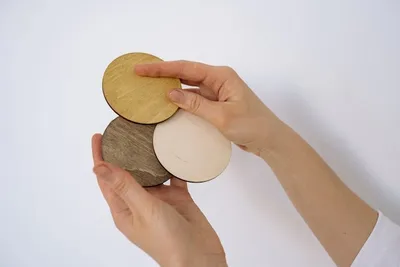
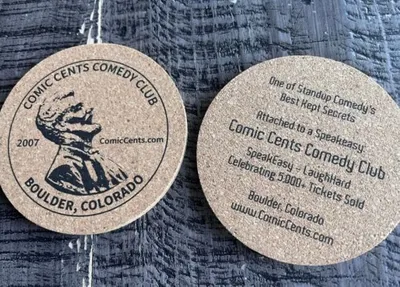
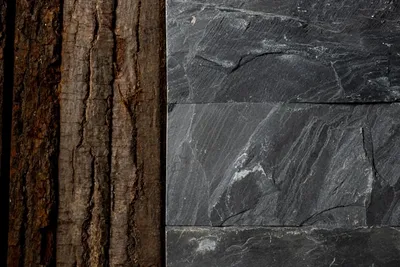
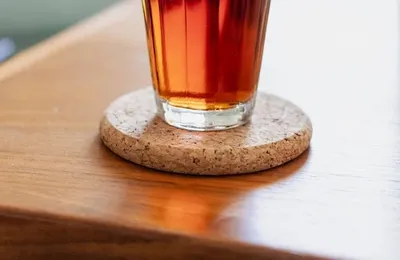
- Materials also matter. For example, cork, ceramic, or wood each bring their own look without needing heavy design work.
When people start with easy DIY coasters, they often realise that restraint gives a more polished result than something overly detailed or crowded.
|
Material |
Absorbency |
Heat Resistance |
Water Resistance (Before Sealing) |
Durability |
Difficulty Level |
|
Cork |
High |
Moderate (up to ~100°C) |
Low (absorbs moisture) |
Medium |
Beginner |
|
Ceramic Tile |
None (non-absorbent surface) |
High (200°C+) |
High |
High |
Beginner–Intermediate |
|
Wood (Hardwood) |
Low–Medium (depends on grain) |
Moderate–High |
Low (unless sealed) |
High (when sealed) |
Intermediate |
|
Resin (Epoxy) |
None |
High (varies by resin type) |
Very High |
Very High |
Intermediate–Advanced |
|
Slate / Stone |
High |
Very High |
High |
Very High |
Beginner |
|
Felt / Fabric-Based |
High |
Low–Moderate |
Low |
Low–Medium |
Beginner |
|
Bamboo |
Low |
Moderate |
Low (unless sealed) |
Medium |
Beginner–Intermediate |
What Are Creative Coaster Designs DIY Enthusiasts Love?
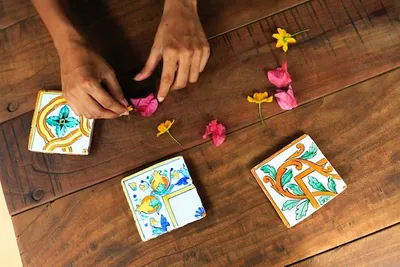
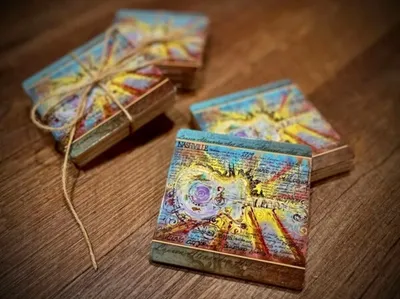
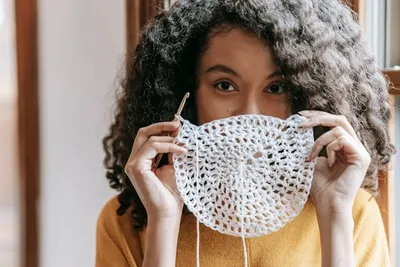
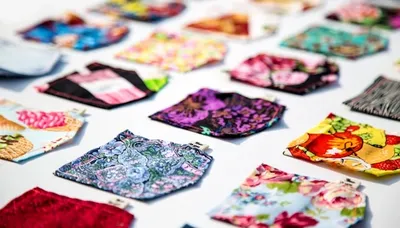
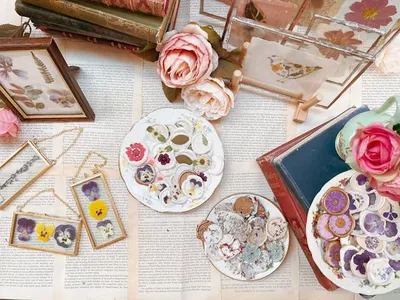
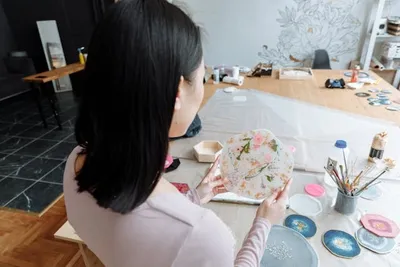
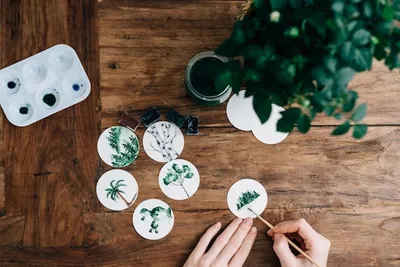
Creative coaster design DIY projects usually start with a personal idea rather than a trend. We have seen people use maps, handwritten notes, even fragments of fabric that mean something to them.
That personal layer is what makes DIY drink coasters stand out. There is also a shift toward mixing materials, such as:
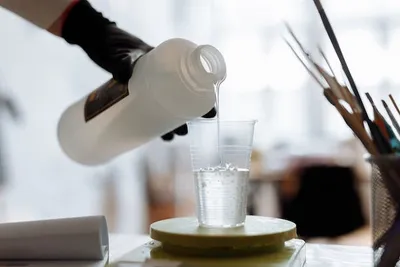
- Combining resin with prints
- Adding texture with layered elements
It can look impressive, complementing your custom clear shot glasses perfectly, but it does require patience. In our experience, the best creative results come when design and usability are balanced.
A coaster still needs to handle moisture and heat, otherwise it becomes more of a display piece than something practical.
Looking to create coasters in non-standard shapes?
With our help, you can create your own custom shaped coasters in a range of materials to get the desired effect.
What Is A DIY Coaster Set And Why Make One?
A DIY coaster set is less about a single piece and more about how everything works together. Consistency becomes important here. We usually suggest choosing a theme or colour direction before starting, because it is easy for sets to feel disconnected otherwise.
Research shows that table-based design details like coasters influence the perception of hospitality in dining settings. Matching does not have to mean identical - subtle variations often make a set feel more considered.
People gravitate toward DIY coaster sets for gifting because they feel intentional without being overly formal. We have noticed that sets also tend to be used more often, simply because there is always one within reach when drinks are being shared.
What Are DIY Drink Coasters Made From?
When people start exploring DIY drink coaster options, material choice is where things become more technical. Popular materials include cork, wood, and ceramic, so let’s take a little look at each of these:
- Cork is forgiving and easy to cut, which makes it popular for beginners.
- Wood brings a warmer feel, and there are many great wooden coaster design ideas, but it needs sealing to prevent damage.
- Ceramic offers a more refined finish, though it requires a bit more care during the design process.
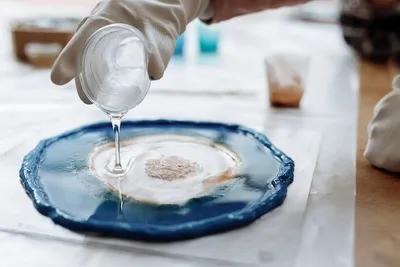
We have also seen resin used for DIY coaster designs, especially when transparency or layering is part of the look. Each material behaves differently with heat and moisture, so it is worth thinking about how the coaster will actually be used, not just how it looks at first glance.
How Do You Put Designs On Coasters?
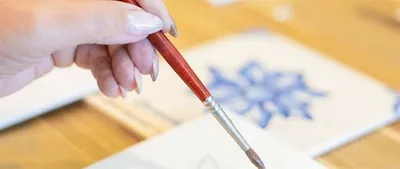
There is no single way to approach coaster design DIY work, and that is part of the appeal. Some people paint directly onto the surface, while others prefer printed designs or transfers. Adhesive vinyl has become popular because it allows for sharp, clean shapes without much effort.
Whatever method is chosen, surface preparation tends to make or break the result. We have seen designs peel or fade simply because the base was not cleaned or primed properly.
- Permanent techniques usually involve sealing.
- Removable ones give flexibility but less durability.
The choice depends on whether the coaster is meant to last or evolve. Remember, studies show that drink coasters contribute to surface protection, sustainability, and table aesthetics, and your design is central to all of this.
How Do You Transfer a Photo or Image onto a Coaster?
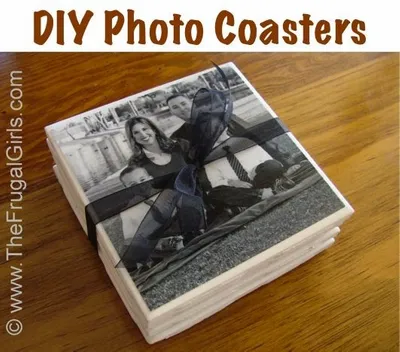
Photo transfer is one of those DIY coaster designs techniques that looks simple until you try it. The idea is straightforward - you take an image, apply it to the surface, and seal it in place. In practice, alignment and material compatibility matter more than most expect.
If the medium is not applied evenly, we have seen images:
- Distort slightly
- Lose clarity
Timing also plays a role, especially when removing backing layers. When done well, though, it creates a very personal finish. It is often used for gifts because it turns a functional item into something that carries a specific memory or moment.
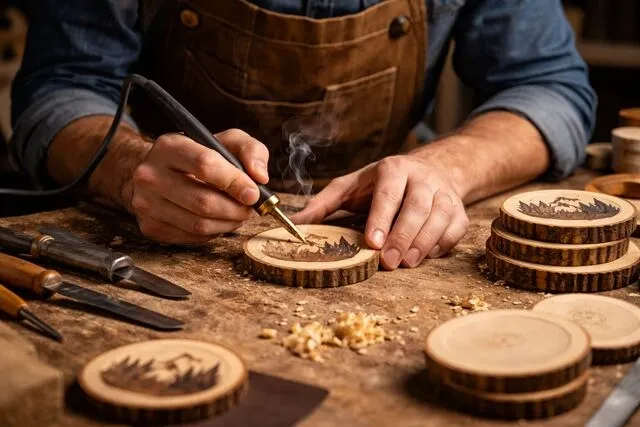
Choose professional craftsmanship and consistent quality
Work with us to create custom coasters in bulk to enjoy consistent quality and generous wholesale discounts.
Learn moreWhat Is Easy Coaster Painting for DIY Projects?
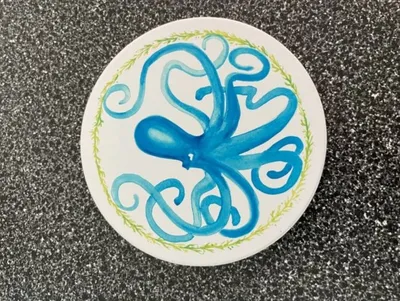
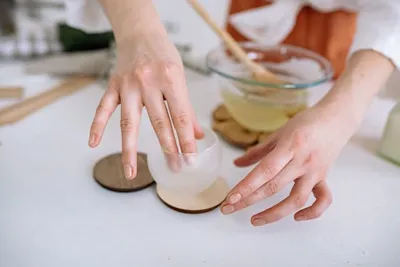
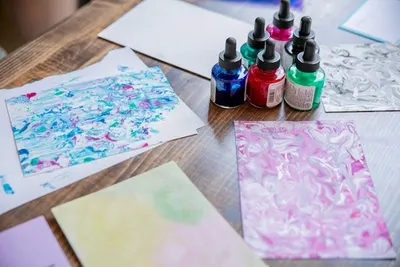
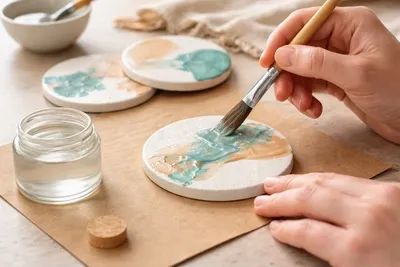
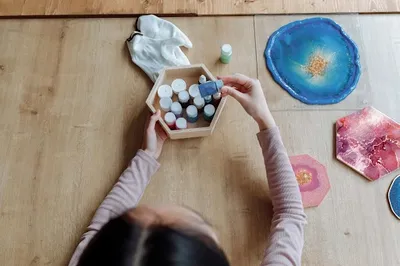
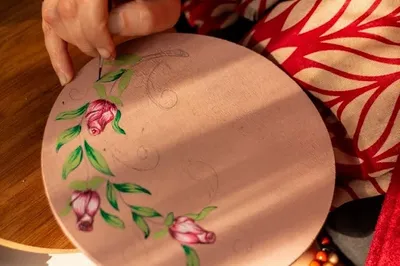
Painting is usually where people begin when exploring easy DIY coasters. It feels approachable and does not require much equipment. Acrylic paint is commonly used because it adheres well to many surfaces and dries relatively quickly.
We often suggest building colour in layers rather than trying to get full coverage in one pass. It gives a smoother result. Here are two other important things people tend to underestimate:
- Drying time between coats: rushing that step can lead to uneven finishes.
- Sealing at the end: This is essential if the coaster is going to be used regularly.
Without these steps, even simple coaster designs can wear down faster than expected. If you want custom print-on-demand coasters made professionally, work with us and enjoy high-quality production, diverse options, and benefits like generous bulk discounts.
How Do You Use Mod Podge For DIY Coaster Designs?
We tend to come back to Mod Podge when we want something reliable that doesn’t overcomplicate the process. It works as both glue and sealant, which makes it ideal for coaster designs DIY beginners often try first.
The key is restraint. A thin, even layer matters more than piling it on - make your judgment based on the coaster thickness. We usually do it like this:
- Start with a clean surface.
- Press the design down slowly.
- Smooth out air bubbles with our fingers or a soft cloth.
Drying time can’t be rushed - that’s where most coaster DIY attempts go wrong. Once sealed properly, DIY drink coasters hold up well, especially when paired with a waterproof top coat.
Interested in creating bespoke coasters for a gathering?
With our service, you can create custom party coasters in any style and material to make the day even more special.
Does Canva Help You Design Custom Coasters?
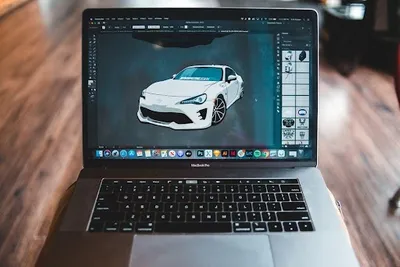
We’ve found Canva surprisingly useful when planning coaster design ideas, especially if you want a clean, consistent look across a set. It’s not about complexity - in fact, simple coaster designs often translate better when printed.
Experts tell us that coasters function as small artifacts within servicescape design, and their appearance contributes to thematic interior consistency. Canva lets us experiment without committing to materials right away, exploring things like:
- Layout
- Spacing
- Color
Exporting designs at the correct size is important, otherwise your DIY coaster set can look slightly off. While it won’t replace hands-on techniques, it gives a strong starting point for DIY coaster designs. We often treat it as a sketchbook rather than the final step.
Do People Prefer Round Or Square Coasters?
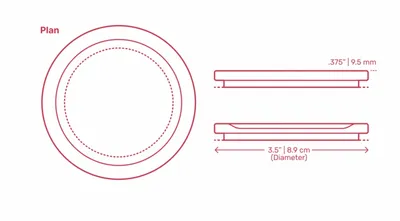
This usually comes down to context rather than a strict preference. From a practical angle, square designs can be easier when working with coaster design DIY templates or printed layouts. That said, we’ve noticed people rarely choose based on shape alone.
- Round coasters feel softer and more casual, which works well for relaxed settings or outdoor use.
- Square options tend to look sharper and more structured, especially with modern or minimal interiors.
Texture, weight, and finish matter just as much, however. For easy coaster designs, sticking to a shape that suits your table setup tends to give the best result.
How Do You Seal Homemade Coasters?
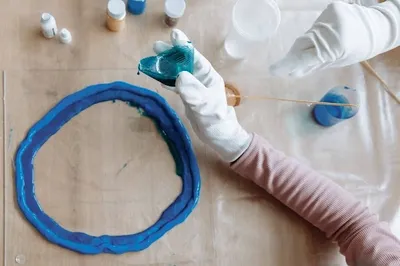
Sealing is where DIY drink coaster projects either succeed or fall apart. Without it, even well-made coaster DIY efforts won’t last long under condensation. We usually apply multiple thin layers rather than one heavy coat.
- Acrylic sealers are a good starting point.
- Polyurethane adds more durability.
The surface should feel smooth, not tacky, once finished. This will ensure it creates a safe, heat-proof surface for your custom smooth bicolored coffee mugs.
Edges are easy to overlook, but they’re often where moisture seeps in first - we’ve learned this the hard way. A properly sealed coaster design DIY project not only lasts longer but also looks more refined, which makes a noticeable difference in everyday use.
Choose professional craftsmanship for a reliable outcome
Our custom drink coasters are expertly crafted to bring your vision to life in a range of shapes, sizes, and materials.
Get startedWhat Are the Best Tips for Long-Lasting DIY Coasters?
Durability often comes down to small decisions rather than one big technique. We focus on sealing, but also on how materials behave over time.
- Wood, for example, needs extra attention to maximize durability.
- Ceramic, meanwhile, is naturally moisture-resistant and not prone to decaying.
Moisture control is a more important consideration than people expect, especially with DIY drink coasters used daily. We usually test one piece before committing to a full DIY coaster set - it saves time in the long run.
Considering what to put on the bottom of coasters also helps prevent damage. These aren’t complicated steps, but they separate easy DIY coasters that last from ones that start to warp or fade after a few uses.
What Is A Makeshift Coaster And When Is It Useful?
A makeshift coaster is exactly what it sounds like. It’s something you grab in the moment when a proper option isn’t available. It works, but only to a point - common choices include:
- Napkins
- Books
- Folded paper
These solutions don’t offer the same protection as a proper DIY drink coaster, especially with condensation-heavy glasses. What’s more, studies show that coasters are functional decorative objects that help shape interior ambiance.
Nevertheless, makeshift coasters have their place. During busy gatherings or outdoor setups, having a temporary layer is better than none. That said, once you’ve used proper coaster DIY options, the difference in performance becomes very obvious.
What Can Be Used As A Coaster In An Emergency?
In a pinch, almost anything flat and absorbent can act as a coaster. The goal is simple: create a barrier between the drink and the surface. Things we’ve seen used as quick substitutes include:
- Cardboard
- Magazines
- Kitchen towels
- Spare tiles
However, these solutions come with risks. Ink transfer, moisture seepage, and uneven surfaces can cause more problems than they solve. That’s why they’re temporary by nature. What’s more, researchers note that drink coasters contribute to indoor environmental quality and multiple ways - something makeshift coasters can’t do.
Compared to even the most basic DIY coaster designs, emergency options fall short. They’re useful in the moment, but not something we’d rely on for regular use or hosting.
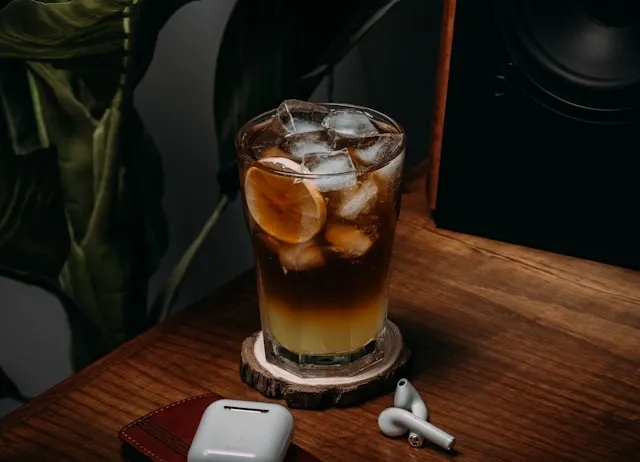
Creative Drink Coaster Ideas for Gifts and Personalization
When we’re making coasters as gifts, the approach shifts slightly. It’s less about matching decor and more about meaning. Personalization plays a bigger role here, offering deeper resonance than overly-complex designs when you incorporate:
- Names
- Dates
- Subtle references
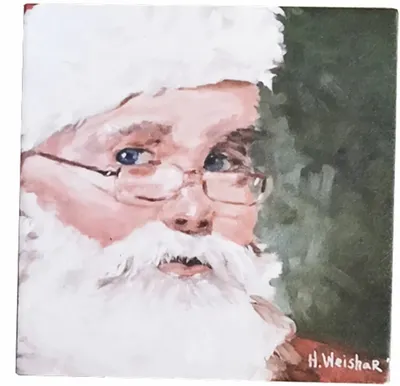
We often lean toward easy coaster design concepts and refine them with thoughtful details. Seasonal themes also work well, especially for events or holidays.
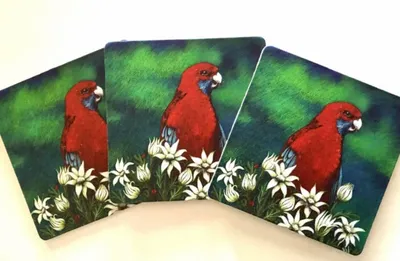
A cohesive DIY coaster set feels more intentional than a single piece, so ideas like custom cork coasters in bulk work well. In our experience, people appreciate items they can actually use, and DIY drink coasters strike that balance between practical and personal.
Frequently Asked Questions About Coaster Design Ideas
How Do You Come Up With Creative Coaster Design Ideas?
We usually start with context. The space, the event, or even the person using them. From there, simple patterns or colour themes often lead to stronger results than overcomplicating the design.
What Is The Easiest Coaster Design For Beginners?
Basic shapes with limited colours tend to work best. Easy DIY coasters often rely on clean layouts rather than intricate details, which makes them more forgiving during the process.