How To Make Acrylic Coasters For Stunning DIY Resin And Pour Art Designs
Acrylic coasters look bright, glossy, and far more expensive than they actually are. But coasters get wet, warm, sticky, moved, and wiped, which can affect durability. In this guide, we explain how to make acrylic coasters using various techniques to ensure they still look good after use.

Key Takeaways
- Acrylic paint coasters need sealing because dried paint alone will not handle water, cup heat, or regular wiping for long.
- Resin coasters need careful measuring, slow mixing, bubble removal, and full curing. Rushing resin almost always shows later.
- For gifts, selling, or branded table settings, custom coasters give a cleaner, repeatable finish than one-off DIY pours.
- We supply high-quality custom acrylic coasters and many other materials with diverse customization options for your convenience.
Table of contents
-
How To Make Acrylic Coasters?
-
What Supplies And Materials Do You Need To Make Acrylic Resin Coasters?
-
How Do You Prepare Acrylic Sheets For Custom Coasters?
-
How Thick Should DIY Coasters Be?
-
What Is The Best Method For Acrylic Pour Art Coasters?
-
How To Make Craft Resin Coasters?
-
How Do You Create DIY Marbled Resin Coasters With Acrylic Pouring?
-
How Do You Waterproof DIY Acrylic Coasters?
How To Make Acrylic Coasters?
There are a few different ways to make acrylic coasters. Popular approaches include pouring acrylic paint over coaster blanks, decorating acrylic sheets, or casting epoxy resin in silicone molds.
- Acrylic paint: These coasters use fluid paint designs but require a waterproof topcoat.
- Epoxy resin: These coasters are poured into molds and cured into a hard, glossy surface.
Both can look beautiful, but they behave differently. Paint is easier to control and clean up, while resin feels more glass-like and durable when cured properly.
Preparation is important either way. Clean the surface, protect your workspace, plan colors, seal porous materials, and ensure every layer cures fully before using the coaster.
What Supplies And Materials Do You Need To Make Acrylic Resin Coasters?
For acrylic resin coasters, gather epoxy resin, hardener, silicone coaster molds, mixing cups, and stir sticks. You will also need gloves, pigments, a heat gun or torch, a level surface, and a dust cover.
Work in a ventilated space and follow the resin brand’s safety directions. Quality matters here:
- Cheap molds can warp, which makes uneven coasters.
- Cheap resin can yellow, bubble, or stay soft.
We would rather buy a smaller amount of good resin than a large bottle that cures poorly. You may also need acrylic paint, mica powder, alcohol ink, dried flowers, glitter, or gold flakes for your custom design. Alternatively, work with us to create custom resin photo coasters for professional results every time.
Which Acrylic Paints Pouring Mediums And Resin Supplies Work Best For Coasters?
Soft-body acrylic paint or fluid acrylic works best for pour art coasters because it mixes smoothly. Heavy body paint can work, but it needs more pouring medium. It’s important to understand flow and viscosity behavior to get optimal results.
Avoid paint that is too watery. Weak pigment creates dull colors once spread thin. A good pouring medium helps the paint flow without breaking apart. For resin, use a clear, UV-resistant epoxy made for art or coaster projects.
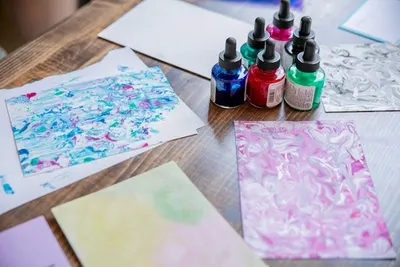
Mica powders add shimmer, while alcohol inks create soft clouds and movement. Color blending looks best when you choose two or three main colors, then one accent. Too many colors can turn muddy fast.
| Method | Best for | Skill level | Durability | Cost | Main risk |
|---|---|---|---|---|---|
| Acrylic pour on blank | Colourful one-off designs | Beginner | Medium unless sealed | Low-medium | Not waterproof enough |
| Resin in silicone mould | Glossy, glass-like coasters | Intermediate | High if cured properly | Medium-high | Bubbles, soft cure |
| Decorated acrylic sheet | Clean, modern designs | Beginner-intermediate | Medium-high | Medium | Scratches/clouding |
| Professional custom coasters | Gifts, events, branding, bulk sets | Easy | High | Variable | Less handmade feel |
Looking to create custom drink coasters?
It doesn’t have to be a DIY job. Work with us to create custom drink coasters from a range of materials without breaking the bank.
How Do You Prepare Acrylic Sheets For Custom Coasters?
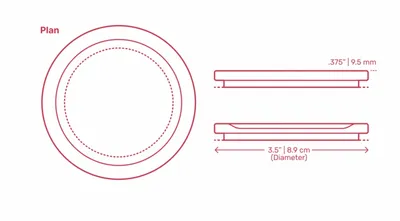
Acrylic sheets need preparation before decorating. First, decide the size. Most coasters are about 4 inches wide, but larger mugs may need more space to accommodate things like custom Drink Delights mason jars with straws.
Once you have decided on your size, the process is as follows:
- Cut the acrylic into squares, circles, or custom shapes.
- Smooth the edges so they do not feel sharp.
- Clean both sides with a gentle acrylic-safe cleaner or mild soap and water. Avoid harsh solvents because they can cloud the surface.
- If you want vinyl, paint, or resin to grip better, lightly scuff the decorated side with fine sandpaper.
Professional cutting services are useful for clean shapes. DIY cutting can work, but rough edges need sanding and polishing.
What Is The Best Way To Cut Customized Acrylic Sheets For Coasters?
The cleanest way to cut acrylic sheets is with a laser cutter, CNC router, or professional plastics supplier. These options give smooth edges and repeatable shapes. At home, thin acrylic can sometimes be scored and snapped, but thicker sheets may crack if forced.
A fine-tooth saw can work with care. After cutting, sand the edges with fine-grit sandpaper, then polish them if you want a clear, glossy edge. You will never replicate the clean cuts of laser acrylic cutting, but you can get a smooth finish.
Mirrored acrylic looks stylish for modern coasters. Colored acrylic can suit weddings, bars, and party tables. We like clear acrylic for layered designs because the artwork feels like it is floating.
Choose a different plastic option for your custom coasters
Our custom PVC coasters are a great alternative to acrylic with diverse customization options to get the look and performance you want.
Learn moreHow Thick Should DIY Coasters Be?
DIY coasters should feel sturdy without being clunky. For acrylic-backed coasters, 1/8 inch acrylic is common and comfortable. Thicker 1/4 inch acrylic feels more premium, but it adds weight.
Resin-only coasters usually land around 1/4 inch thick, depending on the mold:
- Thin resin can bend or feel cheap if the formula is not strong.
- Too thick, and the coaster may feel heavy or awkward in a stack.
The best thickness for your DIY coaster ideas depends on use. Daily coasters need strength, while decorative coasters can be thinner. For custom coasters used in restaurants, events, or gift sets, consistent thickness makes the set look more professional.
What To Put On The Bottom Of Homemade Coasters?
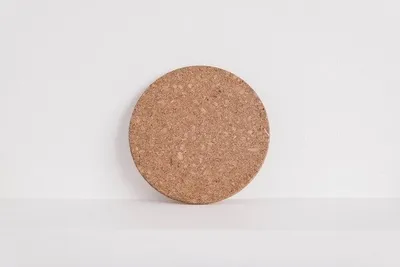
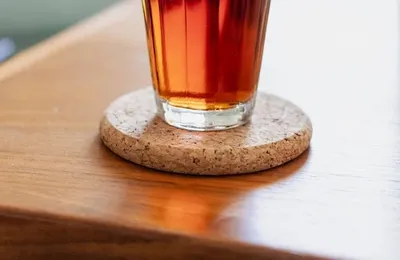
The bottom of a homemade coaster should protect the table. Cork backing is the most common choice because it grips well, looks neat, and softens impact. But there are other options available.
- Felt pads are easy to apply and work well on delicate furniture.
- Silicone bumpers give a modern look and help prevent sliding.
Use strong adhesive sheets, contact cement, or peel-and-stick backing made for the material. Hot glue is not ideal because it can form lumps and peel later.
Cut the backing slightly smaller than the coaster so it does not show from the top. A good bottom finish makes a handmade coaster feel finished, not improvised.
What Is The Best Method For Acrylic Pour Art Coasters?
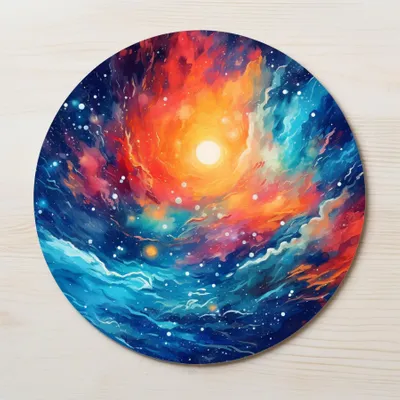
The best acrylic pour method for coasters is a controlled dirty pour or swipe technique. Both create movement without needing a huge surface. The process is straightforward:
- Mix acrylic paint with pouring medium until it flows like warm honey.
- Pour small amounts onto sealed coaster blanks.
- Tilt slowly so the color reaches the edges.
Use a tray underneath to catch drips and try not to overwork the paint once the pattern forms. That is where people lose the best lines.
After drying, the coaster must be sealed with resin or a strong waterproof topcoat. We supply high-quality custom acrylic coasters and can bring your bespoke design to life with professional printing at great prices if you want to avoid the DIY effort.
How To Make Acrylic Pour Art Coasters Step By Step?
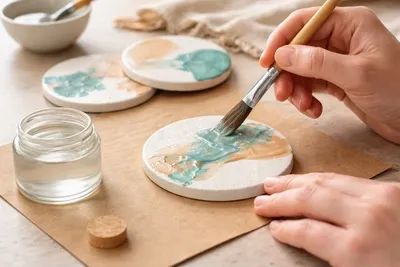
Start by covering your table and raising each coaster on small cups or stands. Seal porous blanks first, especially wood or ceramic. This lays the foundation for the rest of the project.
From here:
- Mix acrylic paint with pouring medium in separate cups.
- Add colors to one cup for a dirty pour, or pour them one by one for more control.
- Pour onto the coaster, tilt gently, and let paint run over the edges.
- Pop bubbles with a toothpick or quick pass of warm air.
- Let the paint dry for at least 24 to 72 hours, depending on thickness.
- Once fully dry, seal with resin or waterproof varnish and let it cure flat.
Pour art projects may look free, but there is a lot of discipline involved with the fluid mechanics and it may take practice to get the best result.
Interested in creating coasters with personalized designs?
We can create custom print-on-demand coasters in various materials and styles to bring your vision to life without the DIY work.
How To Make Craft Resin Coasters?
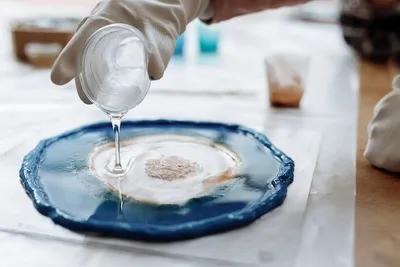
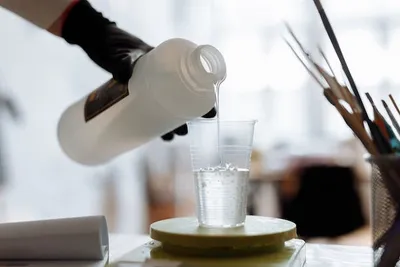
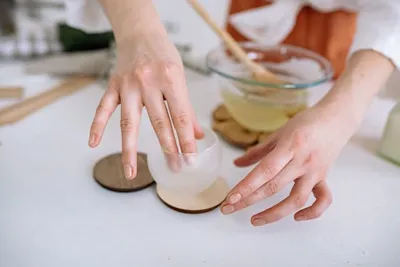
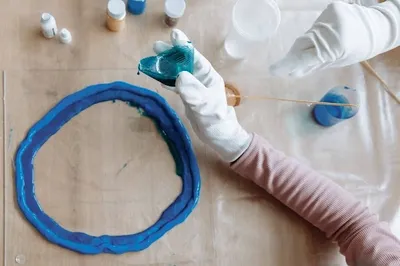
Craft resin coasters are made by pouring mixed resin into silicone molds. Resin differs from acrylic pouring because it hardens into the coaster itself, not just a painted surface. Here’s how to make epoxy resin coasters from scratch:
- Measure resin and hardener exactly as the product directs.
- Mix slowly, scrape the sides of the cup, then divide into smaller cups if adding colors. You can layer resin, embed dried flowers, add glitter, or create clear sections.
- Pour into the mold on a level surface.
- Remove bubbles with a heat gun or torch used carefully.
- Cover the mold to keep dust out. Resin needs patience - it may feel hard before it is fully cured.
Precision is important for a clean finish.
What Is The Correct Step By Step Process For Making Resin Coasters?
First, prepare the molds and check that the table is level. Wear gloves throughout the process. Measure resin and hardener accurately, then mix slowly for the recommended time.
Add pigment, mica, or ink sparingly, then pour the resin into the mold in a thin stream. Let bubbles rise, then remove them with gentle heat. Do not overheat the resin or the mold may warp.
Cover the coasters while they cure and demold only when the resin is firm enough. Sand rough edges if needed, then add a clear top coat for extra gloss - this can help reduce the aging and yellowing risk. Full curing can take several days, depending on the resin.
Create your branded coasters with a professional touch
Whatever your vision, work with us to create custom promotional coasters from acrylic or other materials and enjoy the highest quality and generous bulk discounts.
Get startedHow Do You Create DIY Marbled Resin Coasters With Acrylic Pouring?
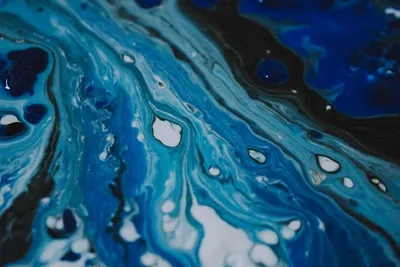
Marbled resin coasters use controlled color movement. Start with a clear or white resin base, then add small amounts of tinted resin - choose a color to match custom cloth beverage napkins or other tableware.
Use a toothpick, skewer, or silicone tool to pull the colors through each other. Move slowly - marble should look soft, not scrambled. Acrylic pouring can inspire the color layout, but regular acrylic paint should be used carefully in resin because too much can affect curing.
Use resin pigment or mica for safer results. Stone-like colors work well: white, gray, black, beige, green, and gold. We like marbling because small mistakes can still look natural if the palette is calm.
How To Marble Your Resin Coasters?
To marble resin coasters, pour your base layer first. This gives you the foundation to build on for the remainder of the process:
- Add thin lines or small drops of accent color while the resin is still workable.
- Drag a skewer through the colors in one direction, then lightly cross through a few areas.
- Stop early - overmixing is the main reason marble turns muddy.
- Add metallic pigment last if you want veining.
Timing is important too. If the resin is too runny, colors spread everywhere, but if it is too thick then they sit on top and look harsh.
Watch the resin for a few minutes before adding final swirls. The best marble effects look slightly uneven - this is how to make custom personalized coasters like these look their best.
How Do You Waterproof DIY Acrylic Coasters?
Waterproofing is essential because coasters meet condensation, spills, warm mugs, and wiping. Acrylic paint alone is not waterproof enough for daily use. Resin gives the strongest glossy protection when applied correctly.
Waterproof varnish or clear acrylic spray can work for lighter use, but it may not be as tough. Seal all painted areas, including edges if water can reach them. A common mistake is sealing the top but leaving the sides exposed.
Another is using the coaster before the finish cures. Dry is not the same as cured - if the surface still feels soft, wait longer before stacking or using. This is key to achieve optimal waterproof coating performance.
How To Permanently Seal Acrylic Paint?
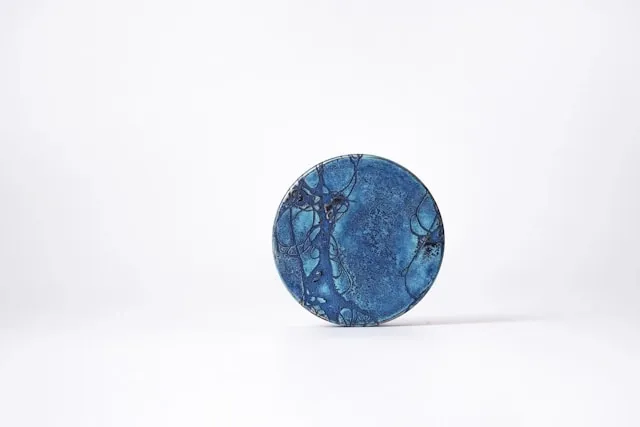
To permanently seal acrylic paint, let it dry fully first. Thick pour art may need several days before sealing. For the strongest finish, apply a clear epoxy resin coat over the painted surface.
This creates a hard, glossy barrier that resists moisture and makes colors look deeper. Spray sealers and brush-on varnishes can also work, but use thin coats and allow proper drying time.
- Matte finishes look softer.
- Gloss makes pour art brighter.
Avoid sealing over damp paint because trapped moisture can cause cloudiness, cracking, or peeling. We prefer resin for coasters that will see real use, not just sit on display. Our custom monogrammed acrylic coasters are always sealed for maximum durability.
Frequently Asked Questions About 'How To Make Acrylic Coasters'
What Is The Best Way To Make Acrylic Coasters?
The best method depends on the look you want. Use acrylic pour art for colorful painted designs, or epoxy resin molds for glossy, hard coasters with embedded details.
Which Tools And Materials Are Required For DIY Acrylic Resin Coasters?
You need epoxy resin, hardener, silicone molds, mixing cups, stir sticks, gloves, pigments, a heat gun or torch, a level workspace, and cork or felt backing.