How To Make Tile Coasters Waterproof For Long-Lasting Durability And Style
Tile coasters look great, but problems can show up once water hits them. The tile isn’t the issue; proper sealing is. Learning how to make tile coasters waterproof helps. In this guide, we show you how to turn a simple craft into something durable enough for real use.

Key Takeaways
- Waterproofing tile coasters depends on proper sealing, layering, and allowing enough curing time between steps.
- Choosing the right sealer, such as polyurethane or resin, directly affects durability and long-term performance.
- Thin, even coats and patience during drying prevent common issues like bubbling, peeling, or uneven finishes.
- We supply high-quality custom coasters in a range of waterproof finishes so you can have peace of mind about moisture without needing to worry about DIY sealing.
Table of contents
-
How To Make Tile Coasters Waterproof?
-
What To Seal Ceramic Coasters With For Long-Lasting Waterproof Protection?
-
Can You Use Mod Podge To Make Tile Coasters Waterproof?
-
What Is The Correct Step-By-Step Process To Waterproof Tile Coasters Properly?
-
What Are The Key Steps To Waterproof Tile Coasters Without Mistakes?
-
How To Choose The Best Sealer For Tile Coasters Based On Use And Durability?
-
How To Apply Waterproof Sealer On Tile Coasters For Smooth And Even Finish?
-
How To Ensure Tile Coasters Stay Waterproof And Durable Over Time?
-
What Common Mistakes Should You Avoid When Waterproofing Tile Coasters?
-
How Many Layers Of Sealer Are Needed To Make Tile Coasters Fully Waterproof?
-
How Long Should You Let Tile Coasters Cure After Waterproofing?
-
What Is The Difference Between Waterproof And Water-Resistant Coasters?
-
How To Make Tile Coasters Look Professional After Waterproofing?
How To Make Tile Coasters Waterproof?
The process starts with understanding why tiles need protection. Ceramic tiles are often glazed on top, but the edges are slightly porous, so water seeps in and damages the surface over time - this is the problem we are facing.
The fix is to seal them properly. When we look at how to make tile coasters waterproof, we focus on preparation first. Prep looks like this:
- Clean the tile
- Remove dust
- Let it dry fully
From here, apply a sealer in thin layers, allowing each coat to dry before adding the next. Simple tools like a brush or spray work fine for this. Once sealed and cured, the coaster resists moisture instead of absorbing it, which makes a noticeable difference in daily use.
What To Seal Ceramic Coasters With For Long-Lasting Waterproof Protection?
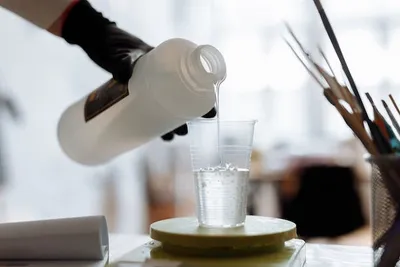
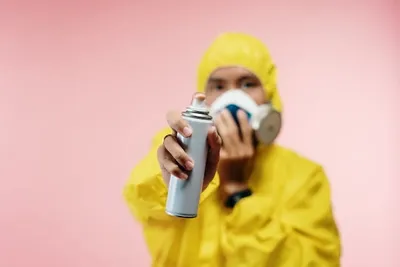
Choosing the right sealer matters more than most people expect. Some products protect lightly, while others create a strong barrier. We usually look at three main options: spray sealers, brush-on finishes, and resin.
- Spray sealers are quick and easy, but they often need more layers.
- Brush-on finishes give better control and thicker coverage.
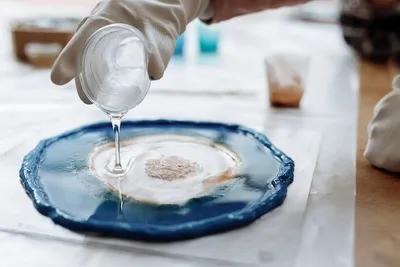
- Resin creates a hard, glossy surface that holds up well over time.
Each option changes the final look too. As you will see from our custom print-on-demand coasters, a smooth, glossy finish is generally the most desirable from an aesthetic perspective.
From experience, heavier use calls for stronger protection - if coasters will see daily wear, a durable finish makes sense. Lighter use allows more flexibility in choosing a simpler sealing method.
|
Use Case |
Best Sealer |
Finish |
Durability |
Key Trade-Off |
|
Quick & easy (beginner) |
Acrylic Spray |
Matte / Satin / Light Gloss |
Low–Moderate |
Fast and simple, but needs frequent reapplication |
|
Light use (decorative) |
Polycrylic (Water-based) |
Clear, Satin or Gloss |
Moderate |
Easy to use, but not built for heavy daily wear |
|
Everyday use (balanced choice) |
Water-Based Polyurethane |
Satin / Gloss |
High |
Strong and reliable, but requires careful application |
|
Heavy daily use |
Oil-Based Polyurethane |
Warm Gloss |
Very High |
Extremely durable, but slower curing and slight yellowing |
|
Premium / glossy finish |
Epoxy Resin |
High Gloss (Glass-like) |
Extremely High |
Best finish and protection, but complex and time-intensive |
|
Base layer only (not waterproof alone) |
Mod Podge + Topcoat |
Matte / Gloss |
Low (alone) |
Must be sealed over—fails if used as final layer |
Which Sealers Work Best For Ceramic Tile Coasters And Why?
Polyurethane, polycrylic, and acrylic sprays are common choices, but they don’t perform the same. We’ve seen beginners lean toward sprays for convenience, but stronger sealers tend to last longer.
- Polyurethane is strong and water-resistant, making it a solid option for frequent use.
- Polycrylic dries faster and stays clear, which works well for lighter projects.
- Acrylic sprays are easy to apply but may need multiple coats for full protection.
Compatibility is significant too. The sealer must bond well with ceramic surfaces. Polymer-based coatings provide strong waterproof layers but depend on proper adhesion and layering.
Picking the right one early prevents issues like peeling or uneven coverage later in the process.
Can You Use Mod Podge To Make Tile Coasters Waterproof?
Mod Podge is popular for crafts, so it often comes up in this process. It works well for attaching designs and adding a basic seal, but it has limits.
The problem is that standard Mod Podge is not fully waterproof. It can handle light moisture, but repeated exposure may cause damage. We’ve seen coasters sealed only with Mod Podge start to soften or stick over time.
Mod Podge is better treated as a base layer rather than the final protection. To make coasters waterproof for the long-term, it needs to be paired with a stronger topcoat that seals everything in place.
How To Use Mod Podge Correctly For Sealing Tile Coasters?
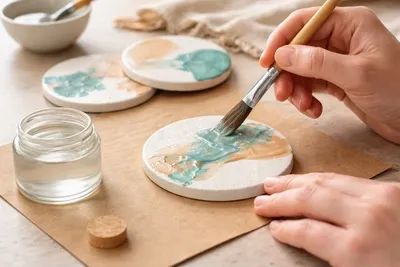
When using Mod Podge, technique is everything. We apply it in thin, even strokes to avoid streaks and bubbles. One direction works best, rather than brushing back and forth, and each coat needs time to dry before adding another.
Rushing this step often leads to a cloudy finish. We usually apply two to three light coats for a solid base. It’s important to remember that this step prepares the surface, not finishes it. Once the design is sealed, we move on to a stronger waterproof layer.
Polyurethane and polymer coatings provide the strongest water resistance, so they may be ideal for your topcoat. That combination creates better results than relying on a single product alone.
Want tile coasters that already have a waterproof finish?
Work with us to create custom tile coasters that feature bespoke designs and a robust waterproof finish for your convenience.
What Is The Correct Step-By-Step Process To Waterproof Tile Coasters Properly?
A clear process prevents mistakes. We start by cleaning and drying the tile completely - it is important to start working on the right foundation, so never underestimate this step.
Here’s how the process goes from there:
- Apply any design and seal it with a base layer like Mod Podge if needed.
- After that, we move to waterproofing. This involves applying a stronger sealer in thin coats, allowing each one to dry fully.
- Layering builds protection over time. Skipping steps or rushing drying often causes issues later.
We’ve found that patience throughout the process makes the biggest difference. Once the final coat is applied, curing becomes the focus, locking everything in and ensures the coaster holds up under regular use.
Work with us if you want to avoid having to do this DIY work. We can create custom acrylic coasters or many other materials with your personalized designs that arrive fully waterproof and ready to use, and they are available at great prices with generous wholesale discounts.
What Are The Key Steps To Waterproof Tile Coasters Without Mistakes?
Mistakes usually come from rushing or applying too much product at once. We avoid this by focusing on thin layers and steady timing. Let’s look at some tips that will ensure you get optimal results from waterproofing:
- Each coat should dry fully before the next begins.
- We also make sure edges are covered, since water often seeps in there first.
- Another step people skip is proper cleaning before sealing. Dust or residue can affect how the sealer bonds.
We’ve learned that small details make a difference here. Taking a few extra minutes during preparation often prevents bigger issues later.
A careful approach leads to smoother, more durable results that endure regular use with custom smooth bicolored coffee mugs or other drinkware.
Choose a cheaper, durable alternative to tile coasters
Our custom plastic coasters are a cost-effective alternative with all the practical benefits of tile coasters at a lower price point.
Learn moreHow To Choose The Best Sealer For Tile Coasters Based On Use And Durability?
Not all coasters are used the same way. Some sit on display, while others handle drinks every day. That difference should be the main guide for your choice of sealer.
- For light use, a simple acrylic or polycrylic finish may be enough.
- For heavy use, polyurethane or resin offers more robust protection.
We have noticed that matching the sealer to the purpose avoids disappointment later. Approach it with the same care you would to make wooden coasters waterproof - it’s tempting to pick the easiest option, but durability makes a huge difference over time.
Considering how often the coaster will be used helps narrow down the right choice without overcomplicating the process.
How To Apply Waterproof Sealer On Tile Coasters For Smooth And Even Finish?
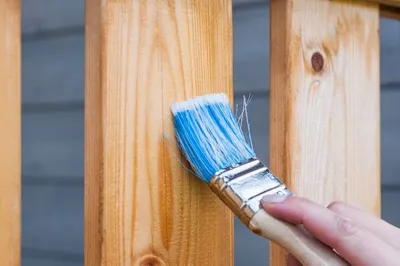
Application technique affects both look and performance. We apply sealer in thin, even layers using a brush or spray. Taking time during application ensures the final result looks clean and feels smooth when touched.
Here are some tips to do it effectively:
- Starting from one edge and moving steadily helps avoid streaks.
- We also check for drips along the sides and smooth them out quickly.
- Uneven coats can dry poorly and weaken protection.
- We’ve found that working in a dust-free space makes a difference too. Small particles can stick to the surface and ruin the finish.
Water-resistant coatings cause water to bead and roll off tiles when applied correctly, so a smooth and even finish is vital.
How To Ensure Tile Coasters Stay Waterproof And Durable Over Time?
Even well-sealed coasters need some care. We avoid exposing them to excessive heat or soaking them in water. Cleaning with a damp cloth works better than rinsing them directly.
Over time, wear can show, especially on frequently used pieces. In those cases, adding a fresh topcoat can extend their life. We’ve seen coasters last much longer with simple maintenance.
The goal is to protect the seal, not just the tile. This can be as simple as taking care when you place your custom 16 oz Bar Choice pint glass down on them. Small habits like proper storage and gentle cleaning help keep them looking good and performing well over time.
Interested in coasters that are more pliant and flexible?
Use our service to create custom silicone coasters with personalized designs and enjoy a waterproof material that is very resistant to damage.
What Common Mistakes Should You Avoid When Waterproofing Tile Coasters?
Most problems come from simple errors. Common ones include applying overly-thick coats, skipping drying time, failing to seal edges, or using the wrong sealer. Let’s look at each of these in a little detail:
- Applying thick coats is a common one. It may seem faster, but it often leads to bubbles and uneven drying.
- Skipping drying time is another issue. Layers need time to set properly.
- We’ve also seen people forget to seal the edges, which weakens the whole piece.
- Using the wrong sealer for the intended use can cause early wear.
These mistakes are easy to avoid with a bit of attention. Taking the process step by step usually leads to better results without needing extra effort.
How Many Layers Of Sealer Are Needed To Make Tile Coasters Fully Waterproof?
Layering builds protection gradually. We usually apply two to three thin base coats, followed by a stronger topcoat if needed. Each layer should dry fully before the next one begins.
Rushing this step reduces effectiveness. For added durability, a final waterproof layer can be applied after the base coats. We’ve found that this combination works better than relying on a single thick layer.
Curing time also matters. Letting the coaster sit for at least 24 hours helps the sealer harden properly and improves long-term performance. Film thickness and layering improve resistance, so multiple coats are generally seen as the best practice.
Choose an elegant alternative to tile coasters
When you create custom personalized glass coasters with us, you opt for elegance and waterproof material with diverse customization options.
Get startedHow Long Should You Let Tile Coasters Cure After Waterproofing?
Drying and curing are not the same. Drying happens quickly, but curing takes longer. We usually allow at least 24 hours before using the coasters, sometimes longer depending on the product.
This step ensures the sealer fully hardens. No matter what material coasters are made of, using them too soon can leave marks or weaken the finish. We’ve found that patience here prevents most long-term issues.
Giving the material enough time to set creates a stronger, more reliable surface that holds up under regular use.
What Is The Difference Between Waterproof And Water-Resistant Coasters?
Water-resistant coasters can handle small amounts of moisture, but not constant exposure. Waterproof coasters create a stronger barrier that prevents water from soaking in. The difference shows over time.
- Water-resistant finishes may wear down faster, especially with frequent use.
- Waterproofing provides more consistent protection.
We’ve seen how choosing the right level of protection depends on use. For everyday coasters, waterproofing is usually the better option.
Multiple thin layers produce a smoother and more durable finish, and offer a more comprehensive approach to full waterproofing. Always follow the instructions of your chosen sealer.
How To Make Tile Coasters Look Professional After Waterproofing?
A professional finish comes from attention to detail. Smooth layers, clean edges, and a consistent surface make a big difference. Let’s look at some tips we have learned through experience:
- We often lightly sand between coats if needed to remove imperfections.
- Adding a final glossy or matte topcoat can enhance the look.
- Small touches, like felt pads underneath, also improve the overall feel.
We’ve found that taking time during the finishing stage elevates the entire project. This is something we apply when creating custom ceramic coasters for wholesale orders. The result looks polished and holds up well with regular use.
Frequently Asked Questions About How To Make Tile Coasters Waterproof
What Is The Best Way To Make Tile Coasters Fully Waterproof?
Use thin layers of a strong sealer like polyurethane or resin, allowing proper drying and curing between coats.
What Is The Most Durable Sealer To Use On Tile Coasters?
Resin and oil-based polyurethane provide the strongest, longest-lasting protection for heavy daily use.