How To Make Paper Coasters Waterproof For Long-Lasting DIY Use
Paper coasters look great until the first cold drink hits them. Paper on its own simply cannot handle moisture for long, but we can fix that with the right approach. Learning how to make paper coasters waterproof increases their lifespan, and this guide shows you just how it’s done.

Key Takeaways
- Waterproofing paper coasters depends on layering sealers correctly and allowing enough drying and curing time between coats.
- Stronger finishes like resin last longer, while lighter sealers work for decorative or short-term use.
- Thin, even application and proper edge coverage prevent peeling, warping, and early damage.
- We supply high-quality custom paper coasters and many other materials with different finishes to suit your needs.
Table of contents
-
How To Make Paper Coasters Waterproof?
-
What To Put On Coasters To Make Them Waterproof Using The Best Sealers?
-
How To Choose The Right Waterproofing Method Based On Durability And Use?
-
How To Apply Waterproof Coating On Paper Coasters For Even And Smooth Finish?
-
How To Preserve Paper Coasters And Make Them Last Longer?
-
What Common Mistakes Should You Avoid When Waterproofing Paper Coasters?
-
How Many Layers Of Sealer Are Needed To Make Paper Coasters Fully Waterproof?
-
How Long Should Paper Coasters Take To Dry And Cure Properly?
-
What Is The Difference Between Waterproof And Water Resistant Paper Coasters?
-
How To Test If Paper Coasters Are Fully Waterproof And Ready To Use?
-
How To Improve Waterproofing Results With Better Materials And Techniques?
-
When Should You Reapply Sealant To Maintain Waterproof Paper Coasters?
How To Make Paper Coasters Waterproof?
Paper absorbs water fast, which can cause warping and damage. This is the core issue we face. To solve it, we seal the surface so moisture cannot get to the paper.
When learning how to make paper coasters waterproof, we start by deciding how they will be used:
- Decorative coasters may need light sealing.
- Daily-use ones need stronger protection.
We usually apply a base layer to lock in the design, then build up waterproof coats on top. Beginners often use brush-on sealers, while advanced methods include resin. From what we’ve seen, durability depends less on the material and more on how carefully we apply the layers.
What To Put On Coasters To Make Them Waterproof Using The Best Sealers?
Choosing what to apply makes a real difference in how long the coaster lasts. Some sealers sit lightly on the surface, while others form a hard barrier. It’s down to you to make the right choice.
- We often start with basic options like acrylic sprays or brush-on finishes for simple projects.
- For stronger results, thicker coatings create better resistance to water.
The key is matching the sealer to how the coaster will be used. In our experience, light-use coasters do fine with simple coatings, but anything used daily needs a tougher finish
When ordering custom coasters in bulk, it’s important to ensure those coasters are fit for the purpose you want them for. Sealing is not about using the most expensive product, but using the right one for the job.
|
Method |
Waterproof Level |
Difficulty |
Durability |
Best For |
|
Mod Podge |
Water-resistant only |
Very easy |
Low |
Decorative or light-use coasters |
|
Acrylic Spray Sealer |
Water-resistant |
Easy |
Low-Medium |
Quick projects, printed designs |
|
Polyurethane / Varnish |
Near-waterproof |
Moderate |
Medium-High |
Regular home use |
|
Epoxy Resin |
Fully waterproof |
Advanced |
Very High |
Heavy daily use, bar-style coasters |
|
Laminating Sheets |
Waterproof (surface only) |
Easy |
Medium |
Flat printed coasters |
Which Sealers Work Best For Waterproofing Paper Coasters And Why?
Mod Podge, resin, and varnish all show up often in this process, but they behave differently. It is important to understand that they are not all equal when it comes to waterproofing paper.
- Mod Podge works well as a base layer and for light protection, though it is not fully waterproof on its own.
- Varnish offers stronger resistance and is easier to apply than resin.
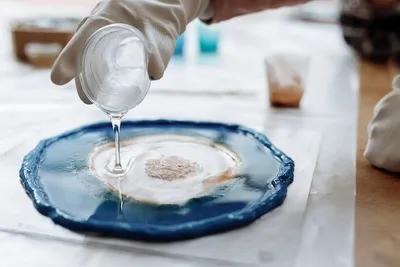
- Resin creates the toughest finish and a smooth, glossy surface, though it takes more effort.
We’ve tested all three, and the difference shows over time. Resin holds up best with frequent use, while varnish strikes a balance between ease and durability. The surface chemistry changes water contact angles and prevents absorption in different ways.
The choice depends on how much wear the coaster will see.
Looking for the best paper coasters?
With our service, you can create custom beer mates from paper or other materials and enjoy high-quality pieces in bulk that are easy to seal.
How To Choose The Right Waterproofing Method Based On Durability And Use?
Not every coaster needs heavy-duty protection. That’s where people often overcomplicate things. We’ve found that matching the method to the purpose saves time and effort later, so we first look at how the coaster will be used.
- If it’s mostly decorative, a lighter sealing method works fine.
- For everyday use, stronger coatings like varnish or resin make more sense.
Temporary methods are quicker, but they wear down faster. Permanent methods take longer but have much better longevity. These are the things we need to consider when exploring how to make wooden coasters waterproof, and the same goes for paper. It also prevents the need to redo the work too soon.
How To Apply Waterproof Coating On Paper Coasters For Even And Smooth Finish?
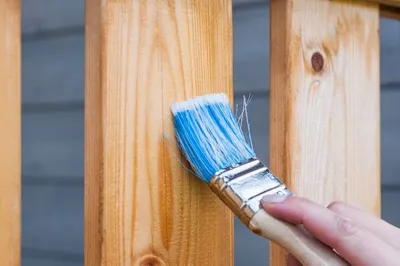
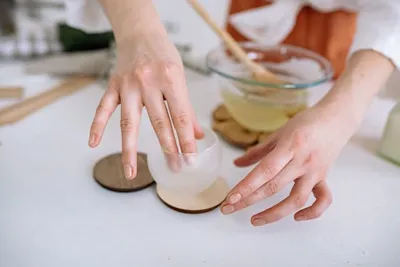
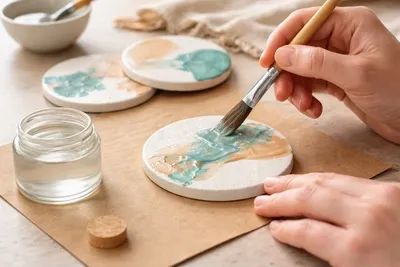
Application is where many results fall apart. Though thick coats seem faster, they often dry unevenly. We choose to apply thin, even layers instead, working in one direction to keep the surface smooth.
Edges are more important than many people think. They are often the first place where water enters, so we seal them carefully. We also let each coat dry fully before adding the next.
From experience, working in a clean space helps avoid dust sticking to the surface. Small details during application lead to a cleaner finish that looks and performs better. And you will find that your coaster is well prepared for using with your custom clear shot glass or other drinkware.
How To Preserve Paper Coasters And Make Them Last Longer?
Paper coasters often carry designs, branding, or memories, so keeping them in good shape matters. The problem is they are usually treated as disposable. Once we seal them properly, they can last much longer.
Preservation becomes both practical and aesthetic. We’ve seen simple coasters turn into keepsakes with the right care:
- Sealing protects the surface.
- Proper storage prevents damage.
Taking this two-pronged approach is the best strategy to make your paper coasters last longer.
Learning how to make coasters waterproof to increase their lifespan also reduces waste, which is a nice bonus. Reusing coasters instead of discarding them gives them more value over time.
How To Turn Disposable Paper Coasters Into Reusable Coasters?
Turning disposable items into reusable ones starts with reinforcement. Paper alone is too weak, so we often back it with a thicker material like cork or cardboard. Then we seal the top surface to protect the design.
This combination may be more work than mere sealing, but it creates a stronger, more durable coaster. We’ve seen it done with event coasters, and the results hold up surprisingly well. It also opens up creative options, as finished pieces can be:
- Used daily in a public or private space
- Put on display to show off personalized or branded designs
With a bit of effort, something meant for one use becomes something we can keep using. Disposable paper products are bad for sustainability, but adapting them for repeated use helps mitigate those issues.
Choose a coaster that is already waterproof
Our custom plastic coasters are an affordable alternative to paper ones that are naturally waterproof and durable but still display custom designs.
Learn moreWhat Common Mistakes Should You Avoid When Waterproofing Paper Coasters?
Most issues come from rushing the process. Applying thick layers is a common mistake as it leads to bubbles and uneven drying. But there are other errors we see people make too often:
- Skipping drying time: This is another problem - each layer needs time to set properly.
- Forgetting to seal the edges: We’ve seen people make this mistake, and it weakens the whole piece.
- Using the wrong product: If you don’t use the correct sealer for the intended use, it can shorten the lifespan.
These mistakes are easy to avoid with a slower, more careful approach. Alternatively, work with us to create custom paper coasters that are already primed for sealing, or choose a naturally waterproof alternative. We offer many options at great prices with generous wholesale discounts available.
What Supplies Do You Need To Preserve Paper Coasters?
The tools are simple, but choosing the right ones helps a lot. The actual sealing product, your protective gear, and the tools you use to apply your finish should all be considered carefully.
We usually work with:
- Sealers
- Brushes
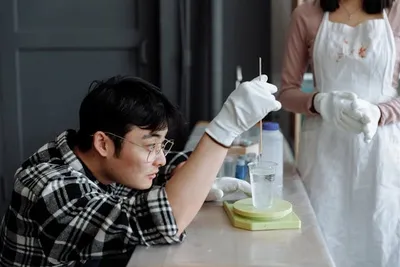
- Protective gloves
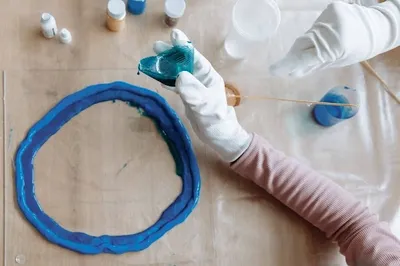
For stronger finishes, resin kits come into play, while optional tools like foam brushes or leveling mats can improve results. Having a clean workspace also makes a difference - your choices will all influence overall durability and water resistance.
From our experience, good tools don’t need to be expensive, but they should be reliable. Sourcing materials is easy, both locally and online - what matters most is having everything ready before starting.
How Many Layers Of Sealer Are Needed To Make Paper Coasters Fully Waterproof?
Layering builds protection one step at a time. We usually apply two to three thin base coats, followed by a stronger top layer if needed. When done properly, this should provide a robust level of protection that resists water exposure from condensation or spills.
Here are some tips for best results:
- Each coat should dry fully before the next one begins.
- Rushing reduces effectiveness and increases your chances of making mistakes.
- We’ve found that thin layers work better than one thick coat. They create a smoother finish and stronger barrier.
The exact number of layers depends on the sealer and intended use, but consistency matters more than quantity. When you apply the layers thoughtfully, you will find you can use your coaster again and again with custom effervescent white wine glasses and other drinkware.
Interested in branded coasters with your logo?
Choose from a range of materials to create custom logo coasters that look great and offer varying levels of water-resistance or absorbency.
How Long Should Paper Coasters Take To Dry And Cure Properly?
Drying happens quickly, but curing takes longer. We often wait at least 24 hours before using the coasters, especially for stronger finishes. Ultimately, the sealer you use should come with instructions that offer guidance on curing times.
Some products may need more time, while others might be fully cured in less. The key thing to understand is that using them too early can damage the surface. We’ve learned that patience during this stage prevents most issues later.
Letting the coating fully set creates a stronger and more reliable finish. A dried coating may feel solid but still allow water penetration - a fully cured coating forms a durable waterproof barrier.
What Is The Difference Between Waterproof And Water Resistant Paper Coasters?
Water-resistant coasters can handle small spills, but not constant exposure. Waterproof coasters block moisture completely. This is a key distinction that is particularly important when it comes to coasters.
The difference shows with repeated use:
- Water-resistant finishes may wear down faster.
- Waterproofing provides stronger, longer-lasting protection.
You need to think about how much moisture your coasters will actually be exposed to.
We’ve seen this play out in daily use, where better sealing clearly holds up over time. No matter what beer mats are made from, proper sealing is crucial, and full waterproofing always delivers the most durable and robust finish.
How To Test If Paper Coasters Are Fully Waterproof And Ready To Use?
Testing is simple but important. There are various standardized testing methods, and some are easy to carry out at home. The simplest one goes like this: we place a small amount of water on the surface and watch how it reacts:
- If the water beads and stays on top, the seal is working.
- If it soaks in, more sealing is needed.
We usually test after full curing to get accurate results. This step helps avoid damage during actual use.
Choose more durable absorbent coasters instead of waterproofing
We offer a range of custom absorbent coasters that are built to take in and release moisture without damaging the material for ongoing use.
Get startedHow To Improve Waterproofing Results With Better Materials And Techniques?
Better materials often lead to better results, but technique matters just as much. If you use the best sealer but apply it badly, you won’t get optimal results - the same goes for excellent application of an inferior sealer.
Here are the main things to keep in mind:
- Using higher-quality sealers improves durability.
- Applying thin, even coats creates a smoother finish.
We’ve noticed that careful preparation also makes a difference. Clean surfaces help the coating bond properly, and following the instructions to prepare your sealer is crucial. Small improvements at each step add up to a stronger final result.
When Should You Reapply Sealant To Maintain Waterproof Paper Coasters?
Over time, wear becomes visible, especially with frequent use. This is inevitable, especially with coasters as they are handled, moved around, and stacked in many different places.
When the surface starts to lose its smooth feel or water stops beading, it’s time to reapply. We usually find that adding a fresh topcoat rather than starting over is the best approach. It extends the life of the coaster without having to put in lots of effort.
Regular maintenance keeps them performing well longer. Careful handling, regular cleaning, and proper storage are all important to increase the length of time between reapplications of sealer on custom disposable coasters.
Frequently Asked Questions About How To Make Paper Coasters Waterproof
How To Waterproof A Paper Coaster?
Apply thin layers of a suitable sealer, allow each layer to dry fully, and finish with a durable waterproof topcoat for best results.
What Is The Best Coating To Apply On Coasters For Waterproof Protection?
Resin offers the strongest protection, while varnish provides a good balance between ease of use and durability.