Whiskey Bar Ideas To Create A Stylish Speakeasy Experience At Home
A home whiskey bar sounds like a big project, but most start with a single shelf and a few bottles. We have built dozens of setups from converted closets to full basement lounges, and the pattern is always the same - style decisions come first. In this guide, we cover whiskey bar ideas from speakeasy builds to modern deco designs, with practical steps for shelving, storage, and lighting.
Key Takeaways
- Start with a theme before buying furniture so that wood tones, lighting, and hardware all pull in the same direction instead of clashing.
- Shelving and display choices define the room more than any single piece of furniture, because a well-organized bourbon collection is the centerpiece guests notice first.
- Budget-friendly swaps work well: floating shelves instead of built-in cabinets, LED strip lighting instead of pendant fixtures, and secondhand bar carts instead of custom millwork.
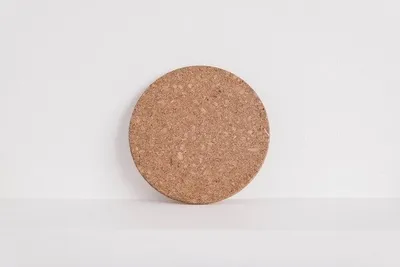
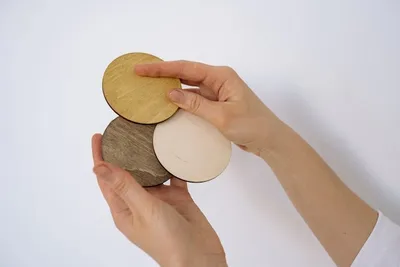
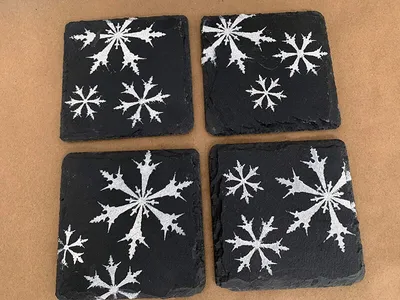
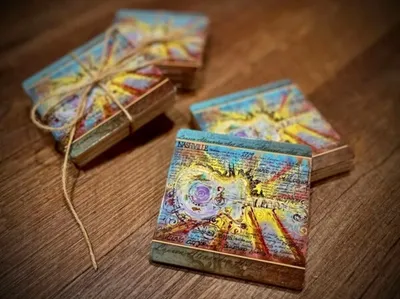
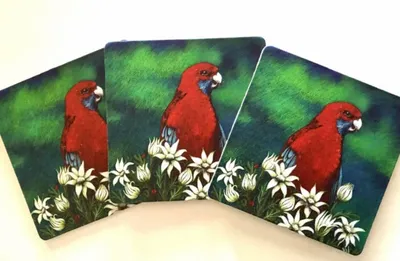
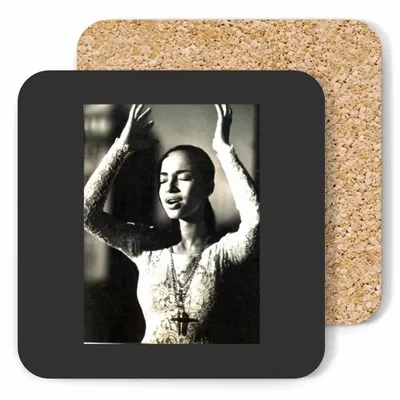
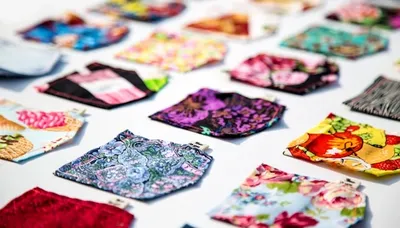
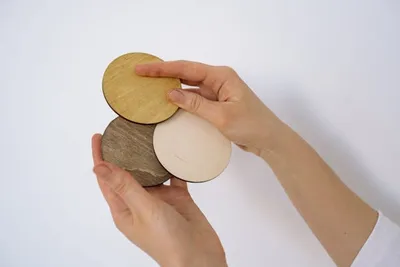
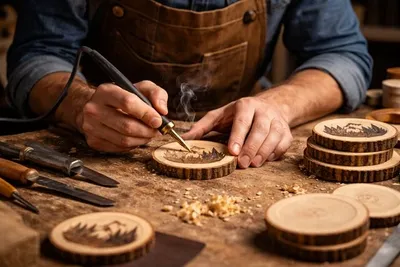
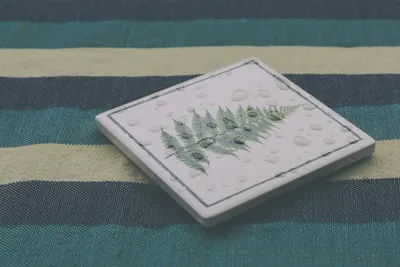
- We supply high-quality custom coasters in various styles and materials, including engraved slate and printed bar coasters in bulk, at competitive prices with generous discounts.
Table of contents
-
Whiskey Bar Ideas
-
How Can You Build The Perfect Diy Whiskey Bar?
-
How Do You Create Shelving And Storage Units For Whiskey?
-
What Design Elements Create The Perfect Whiskey Bar?
-
How Can A Living Room Become A Whiskey Lounge?
-
What Is The Best Way To Display Whiskey?
-
What Do You Need For A Whiskey Bar?
-
How Do You Entertain Guests With A Whiskey And Cigar Bar Experience?
Whiskey Bar Ideas
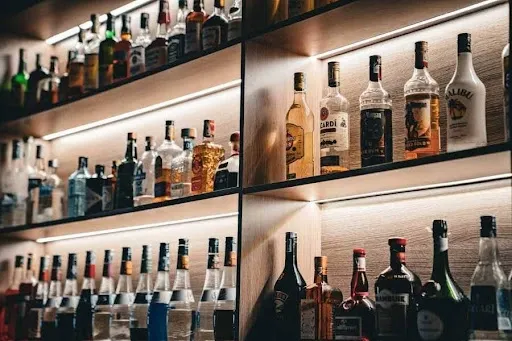
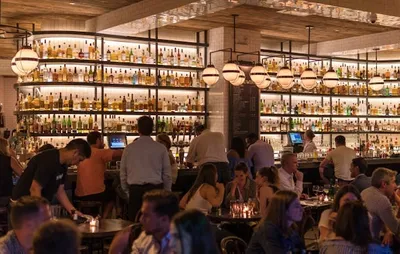
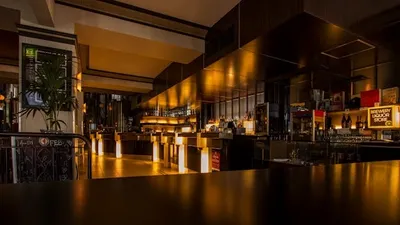
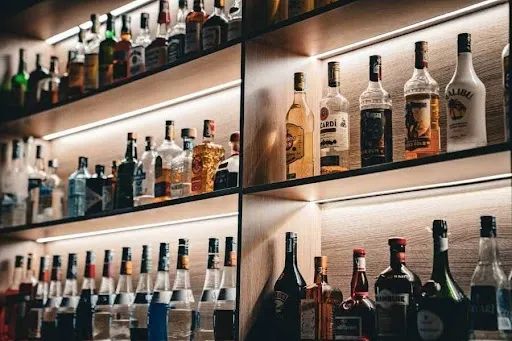
Home whiskey bars have moved well beyond the basic wet bar tucked into a basement corner. The trend now spans a wide range, from prohibition-era speakeasy lounges with exposed brick and hidden entrances to mid-century modern setups built around clean walnut lines and brass fixtures. Homeowners are building bars that double as conversation pieces, complete with custom signage, leather seating, and curated bottle displays.
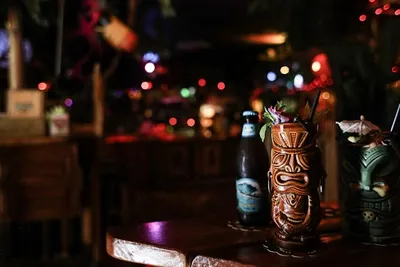
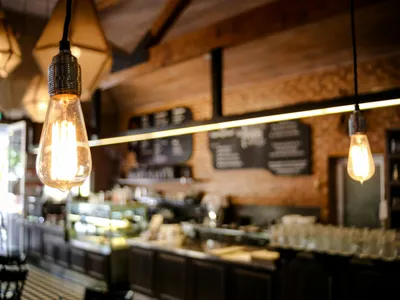
The style you choose shapes every decision that follows. A speakeasy build leans on dark stained wood, dim amber lighting, and vintage barware, while a modern deco bar uses high-gloss surfaces, geometric patterns, and metallic accents. Rustic farmhouse bars sit in between, with reclaimed wood, open shelving, and mason jar lighting. None of these is harder to build than the others, but mixing elements from different styles without a plan is where most home bars look unfinished.
Whatever direction you lean, the bar itself is only half the picture. The seating, the wall treatment, and the coaster ideas on the counter set the mood that makes guests want to stay and pour a second glass.
How Can You Build The Perfect Diy Whiskey Bar?
Planning a DIY whiskey bar starts with three honest questions: how much space do you have, how much are you willing to spend, and how often will you actually use it. A bar that sees action every weekend justifies built-in cabinetry and plumbing. One that comes out for holidays can live on a rolling cart.
Layout matters more than size. Even a three-foot stretch of countertop works if you place the bottle display behind or above it, keep glasses within arm's reach, and leave enough surface to pour without bumping elbows. The classic arrangement puts the back bar against the wall, the serving counter in front, and seating across from the host.
Budget roughly 40 percent on the structure, 30 percent on finishing and decor, and 30 percent on barware and bottles. Many builders overspend on the counter and have nothing left for lighting, the single element that makes a cheap build look expensive.
How Do You Choose A Foundation For A Whiskey Bar?
Location drives the foundation. A basement or garage conversion can handle heavy countertops and built-in plumbing because the floor is concrete and a drain is usually nearby. A living room or spare bedroom calls for lighter, freestanding pieces that do not require permits or waterproofing.
For the structure, butcher block, reclaimed barn wood, and stained pine are the most common countertop materials. Butcher block gives a clean surface at a moderate price, barn wood adds texture, and pine is the cheapest option that still takes a dark stain well. Pair any of these with a solid base cabinet or open shelving frame and you have a functional bar without hiring a contractor.
Design custom bar coasters for your whiskey lounge
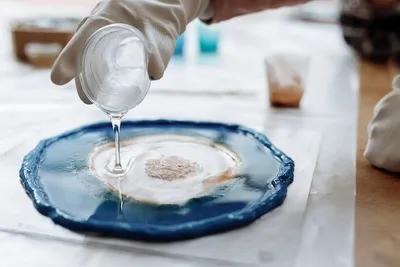
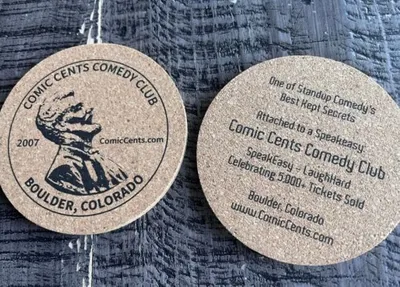
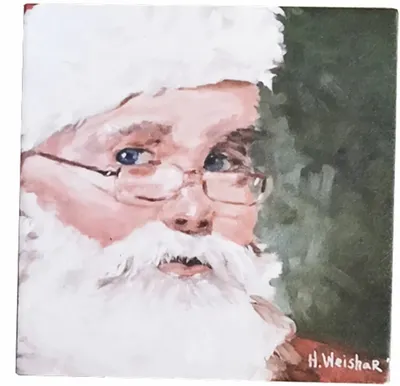
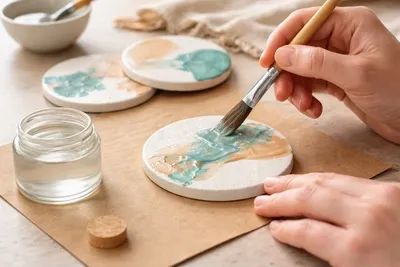
Work with us to create custom bar coasters printed with your monogram, bourbon brand, or speakeasy logo, made to match your home bar setup.
How Do You Create Shelving And Storage Units For Whiskey?
Shelving is where a whiskey bar goes from functional to impressive. The three main approaches are floating shelves, built-in cabinetry, and freestanding units like bookcases or industrial pipe shelving. Each suits a different budget and skill level.
Floating shelves cost the least and install in an afternoon with a drill and a stud finder. Space them 10 to 12 inches apart vertically so tall bourbon bottles fit without crowding. Built-in cabinets look polished and hide clutter, but they cost more and usually need a woodworker. Industrial pipe shelving splits the difference: it reads as intentional design, supports heavy bottles, and goes up with basic hand tools.
| Shelving Type | Typical Cost | Install Difficulty | Best Style Match |
|---|---|---|---|
| Floating shelves | $15 - $40 per shelf | Easy, 1 afternoon | Any style, especially modern |
| Built-in cabinets | $500 - $2,000+ | Professional or advanced DIY | Speakeasy, traditional |
| Industrial pipe | $100 - $300 per unit | Moderate, weekend project | Rustic, farmhouse, industrial |
Whatever you build, plan for weight. A shelf of full whiskey bottles is surprisingly heavy. Anchor into studs rather than drywall alone, and spec pipe fittings rated for the load.
How Do You Display And Organize Whiskey Collections Effectively?
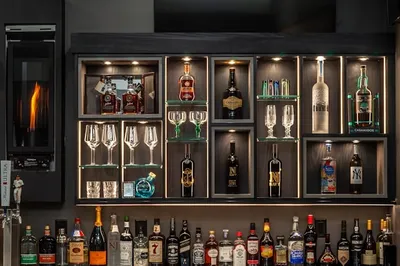
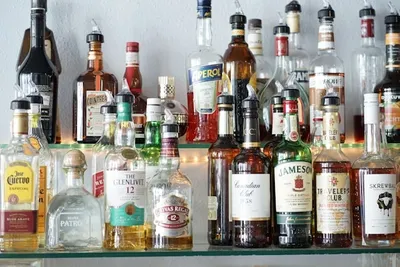
A collection looks best when it follows a visible logic. Group bottles by region, distillery, or style so guests can scan the display and find something that interests them. Place the bottles you pour most often at eye level and within easy reach, and move rare or decorative bottles to the top shelf where they draw attention without getting bumped.
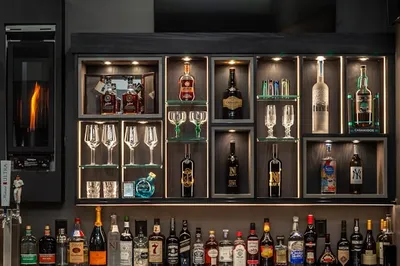
LED strip lighting behind or under each shelf turns a simple rack into a display wall. Warm white strips (around 2700K) match the amber tones of bourbon and scotch, while cooler strips wash out the color. Back-lit glass shelving is another option, though it suits a modern build more than a rustic one. Pair your display with a set of custom logo coasters that match the bar's branding for a cohesive look.
Add a personalized touch to every pour
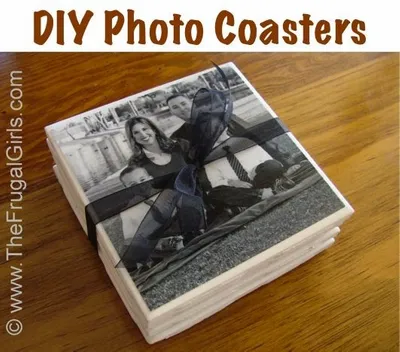
Our custom personalized coasters let you feature names, dates, or artwork on durable coasters that fit right into a whiskey bar theme.
Learn moreWhat Design Elements Create The Perfect Whiskey Bar?
Three design elements do the most work: furniture, lighting, and wall treatment. Get those right and the rest of the room follows.
Furniture anchors the room. A dark wood or leather-top bar paired with upholstered stools or club chairs sets the tone immediately. Counter-height stools work at a standing bar, while low armchairs suit a lounge layout. Research from Cornell University's School of Hotel Administration has found that comfortable seating extends the time guests spend in a space, which is exactly the point of a home bar.
Lighting separates a good bar from a great one. Dimmable fixtures are non-negotiable, because a whiskey bar at full overhead brightness feels like a kitchen. Pendant lights over the counter, sconces on the walls, and LED strips behind the shelving create layers of warm light that draw the eye to the bottles.
How Do You Decorate A Whiskey Bar?
Decoration should reinforce the theme without cluttering the space. Vintage distillery signs, framed bourbon labels, and antique barware work in a speakeasy build. A modern bar benefits from minimalist art, a single oversized mirror, or a clean typographic print.
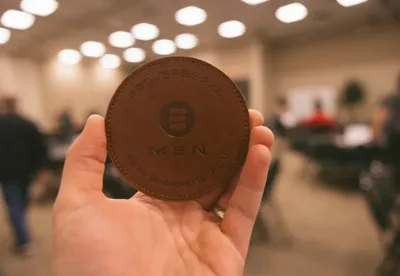
Small details carry weight. Leather coasters, a quality ice bucket, a framed menu of your house pours add personality without eating counter space. Our personalized coasters with a monogram or bar name tie the whole surface together. A few strong wall pieces with breathing room between them look more intentional than a crowded gallery.
What Makes An Ultra-Modern Deco Bar Stand Out?
Art deco bars trade warmth for drama. Think black lacquer surfaces, gold or brass hardware, geometric tile backsplashes, and mirrored panels that bounce light around the room. The silhouette is sleek: sharp lines, symmetrical shelving, and minimal visible clutter.
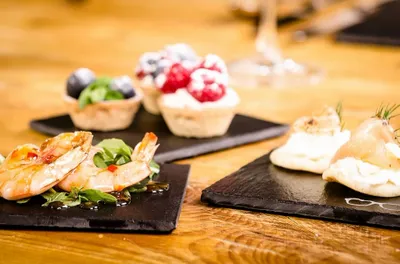
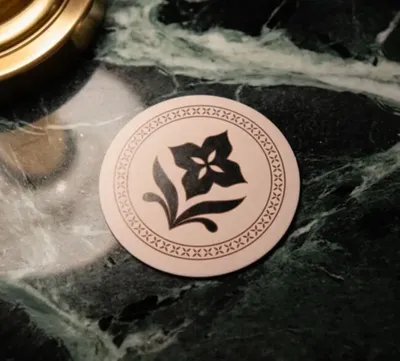
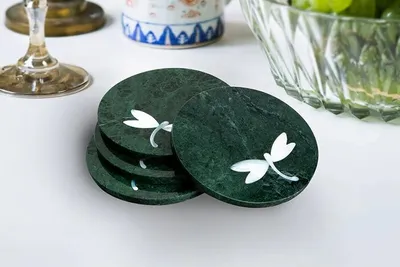
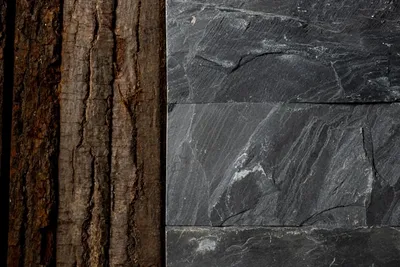
Materials lean toward marble, smoked glass, and polished metal rather than raw wood. Lighting tends to be sculptural, with globe pendants or linear LED channels replacing the rustic Edison bulbs of a farmhouse build. A deco bar succeeds when every element looks deliberate. A set of engraved custom slate coasters fits this style because the dark stone surface matches the high-contrast palette.
How Can A Living Room Become A Whiskey Lounge?
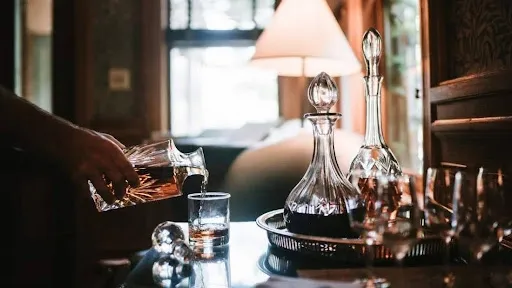
Not everyone has a spare room to dedicate. A bar cart, a converted bookshelf, or a console table can turn a living room corner into a whiskey station without a renovation. The key is defining the zone so it reads as intentional rather than cluttered.
Use a tray on the cart or console to group bottles, glasses, and tools into a single composition. Add a small lamp or LED puck light to separate the bar area visually from the rest of the room. If the furniture doubles as general storage, choose pieces that close or cover the bottles so the room can switch modes. Research in the Journal of Interior Design on spatial zoning supports the idea that even small visual boundaries help occupants perceive distinct functional areas within one room.
How Can You Decorate A Whiskey Bar Without Losing Style?
Budget-friendly decorating starts with what you already own. Repurpose a vintage suitcase as a portable bar, frame a whiskey label you like, or stack old books under a decanter to add height. Thrift stores and estate sales regularly turn up crystal decanters, brass trays, and leather-bound items that look expensive on a bar top.
Skip themed novelty items. A carved wooden sign that says "whiskey bar" adds less character than a single well-chosen object, like a map of Scotland's distillery regions or a set of ceramic coasters that reflect the bar's color palette. Restraint is the difference between a styled lounge and a decorated man cave.
Hosting a tasting night or whiskey event?
Order custom coasters in bulk for whiskey tastings, cigar nights, or bar openings and take advantage of generous wholesale discounts on every order.
What Is The Best Way To Display Whiskey?
The best display makes every bottle visible, accessible, and protected from direct sunlight. UV exposure degrades whiskey over time, according to research on light-induced degradation in spirits, so keep the collection away from windows and use warm artificial lighting instead.
Arrange bottles with labels facing forward and enough spacing that you can pull one without knocking its neighbor. Tiered risers and rotating trays help shorter bottles stay visible behind taller ones. Reserve the front row for bottles you pour regularly and the top shelf for display pieces.
How Do You Choose The Best Drinking Glasses And Decanters?
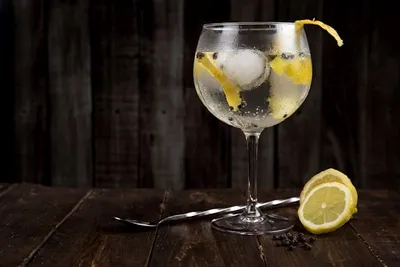
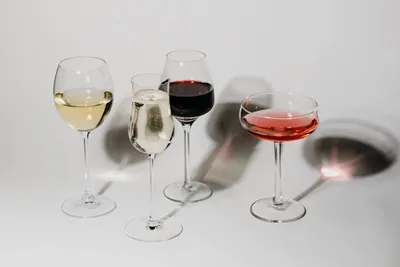
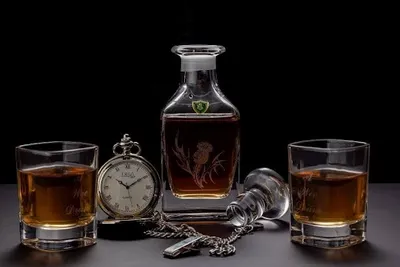
Glassware matters more than most builders expect. The three essentials are a Glencairn glass for nosing and tasting, a rocks glass for bourbon on ice, and a highball for cocktails. A crystal decanter is optional but adds a visual anchor to the bar top, and it is worth choosing one with a tight stopper since loose seals let the spirit oxidize.
Buy four to six of each glass type so you can host without running short. Avoid novelty shapes that look fun but trap aromas poorly. Plain, well-weighted glass with a clean rim is what professionals reach for. Store glasses inverted on a shelf or hanging from a rack to keep dust out.
Upgrade your bar top with natural slate coasters
Custom slate coasters bring a rich, tactile finish to dark wood bars and bourbon displays, engraved with your design for a premium look.
Get startedWhat Do You Need For A Whiskey Bar?
A complete setup breaks into three categories: the structure (counter, shelving, seating), the barware (glasses, tools, ice gear), and the stock (whiskey, mixers, garnishes). Most builders nail the first two and forget the third until guests arrive.
For stock, start with four to six bottles that cover the range: a bourbon, a rye, a scotch, an Irish whiskey, and one wildcard like a Japanese single malt. Add bitters, simple syrup, and fresh citrus for old fashioneds and whiskey sours, plus water for those who prefer their pour diluted. A well-stocked bar does not need 30 bottles; it needs the right ones.
What Are The Must Have Accessories For A Whiskey Bar Setup?
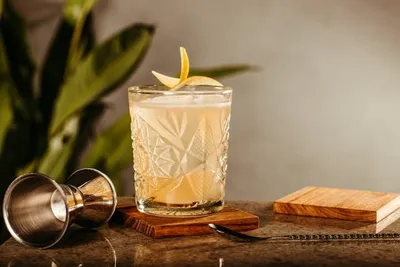
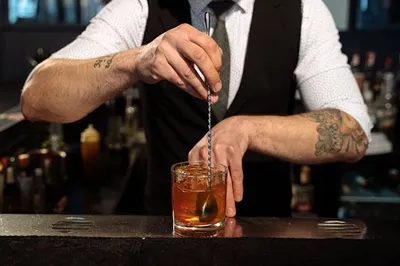
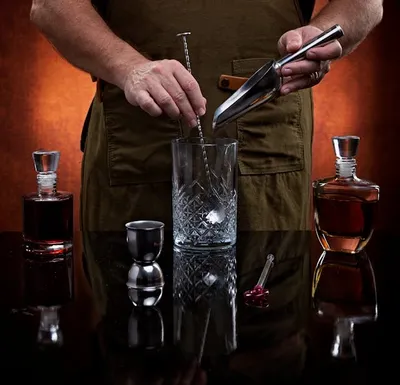
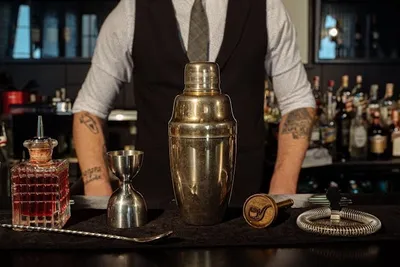
The short list: a jigger for measured pours, a mixing glass and bar spoon, a quality ice mold that produces large clear cubes, a strainer, and a muddler. Add a cutting board and paring knife for citrus prep, and a towel or bar mat to catch drips.
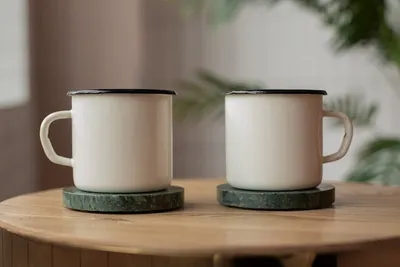
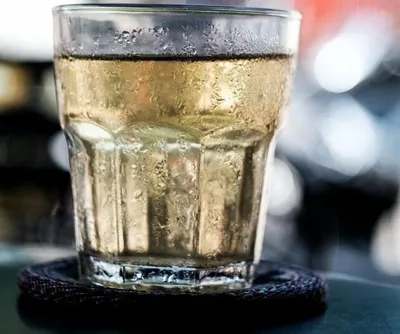
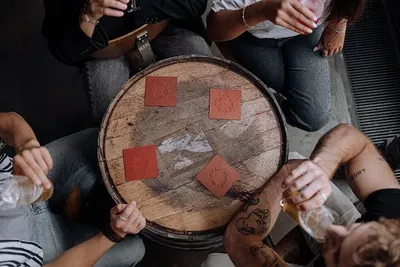
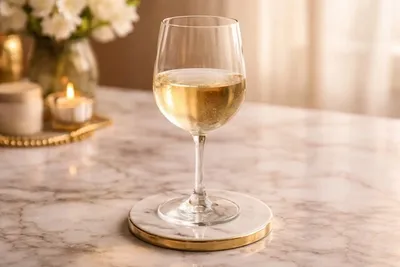
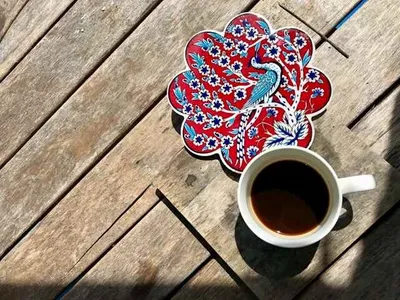
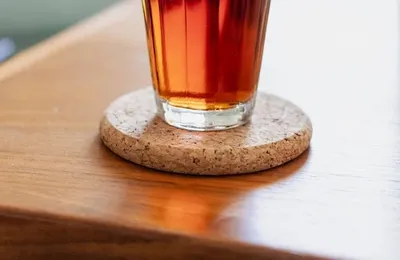
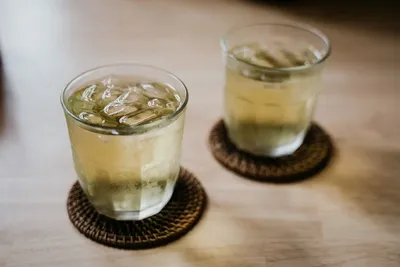
Beyond tools, the surface needs protection. Custom bar coasters keep condensation off wood finishes, and a rubber bar mat catches spills before they stain. Invest in one good ice mold rather than three cheap ones. Large, slow-melting cubes are the single most-asked-about detail when guests sit down at a home bar.
How Do You Entertain Guests With A Whiskey And Cigar Bar Experience?
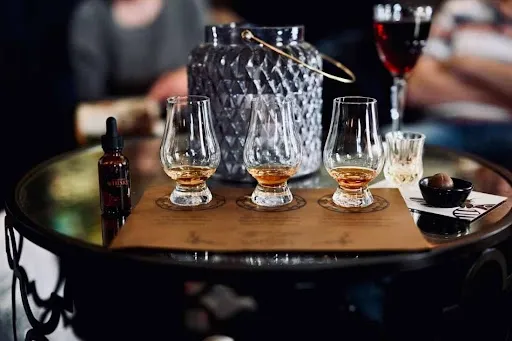
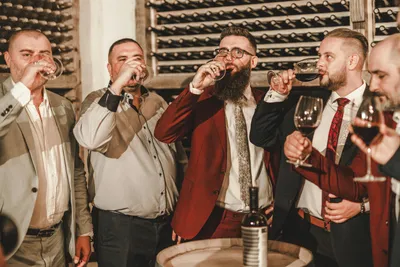
A whiskey and cigar night works best with a little structure. Set out three to four whiskeys in a tasting flight, label each pour, and provide a simple card noting the distillery, proof, and a one-line flavor description. Guests new to whiskey appreciate the guidance, and experienced drinkers enjoy comparing notes.
Pair cigars by body and strength: a mild Connecticut-wrapper cigar with a smooth bourbon, a medium robusto with a spiced rye, and a full-bodied maduro with a peaty scotch. Keep an ashtray, a cutter, and a torch lighter at each seat. Ventilation matters, so host outdoors or near an open window. The American Lung Association's guidance on indoor air quality underscores why smoking indoors without airflow is a poor choice for comfort and health.
Set the mood with low lighting, a curated playlist, and enough seating that nobody stands. Our coasters in bulk let you set a branded coaster at every seat without breaking the budget.
How Do You Serve Whisky In A Bar Setting?
Serve whisky with options, not opinions. Offer each pour neat, with a splash of water, or over a single large ice cube and let the guest choose. Pour roughly 1.5 to 2 ounces per tasting so the bottle stretches across the group. Present the bottle label-forward so guests can read what they are drinking.
For a formal tasting, move from lightest to heaviest: start with a mild Irish or lowland scotch, move through bourbon and rye, and finish with a peated Islay or cask-strength pour. Provide water and plain crackers between rounds to reset the palate. The best bar hosts pour, explain briefly, and then listen. Tasting guides from the Scotch Whisky Association offer a useful starting framework for first-time hosts.
Frequently Asked Questions About 'Whiskey Bar Ideas'
What Are The Best Whiskey Bar Ideas For A Stylish Home?
The best home whiskey bar ideas start with a clear theme such as speakeasy, rustic, or art deco, then build around dark wood tones, dimmable lighting, and well-organized bottle displays. Even a converted bookshelf or bar cart works when the style is consistent.
How Can You Design And Build A Custom Diy Whiskey Bar?
Plan the layout around counter space, back-bar shelving, and seating. Use butcher block or reclaimed wood for the surface, anchor shelves into wall studs, and budget roughly equal thirds for structure, decor, and barware. Start with a small footprint and expand as your collection grows.